Israel and Iran war
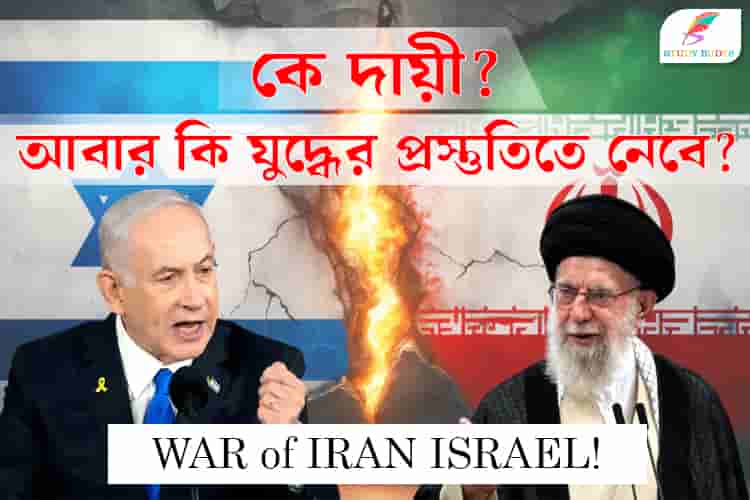

How did the Israel-Iran conflict become the focal point of conflict in the Middle East?
Introduction:
The Israel-Iran conflict is a major factor in regional geopolitics. It attracts global powers and simultaneously fuels instability in the Middle East. It is often referred to as a "shadow war," deeply intertwined with serious political, religious, and technological tensions. Israel and Iran have never engaged in a full-scale war, but their rivalry has unfolded through proxy wars, cyberattacks, and media campaigns in the region. Initially, Israel and Iran were allies during the Shah's rule. However, this changed after the 1979 Islamic Revolution, which brought to power a religious government that completely denied Israel's legitimacy. In response to the threat that Iran's nuclear ambitions posed to Israel's existence, Israel conducted covert operations against Iran, such as assassinating nuclear scientists and sabotaging their nuclear facilities, in an attempt to prevent Iran from developing nuclear weapons.
Table of Contents:
- Background of the Israel-Iran War
- History of the War Between Israel and Iran
- The Arab-Israeli Axis
- Timeline of the Israel-Iran War
- Impact of the Iran-Israel War
Background of the Israel-Iran War:
The Israel-Iran conflict is primarily based on a combination of historical, political, and ideological factors. During the rule of the pro-Western Shah of Iran, Israel and Iran enjoyed friendly relations. The 1979 Islamic Revolution dramatically altered Iran's political landscape and established a theocratic regime that viewed Israel as a "Zionist enemy." Iranian leader Ayatollah Khomeini supported various anti-Israel movements and declared Israel illegitimate. Tensions further escalated when Iran began actively supporting militant groups such as Hezbollah in Lebanon and Hamas in Gaza, which have been waging war against Israel for many years. Israel views Iran's influence through these groups as a serious security threat. Iran's support for militant groups fueled tensions, as Israel was concerned about its rival's growing power. Then came the nuclear issue, which further complicated the situation. The prospect of a nuclear-armed Iran alarmed Israel, and it took various measures to prevent this, such as assassinating Iranian nuclear scientists or launching cyberattacks.
This led to a "shadow war" between the two countries, waged through proxies in Syria, Lebanon, and Iraq. In the Syrian civil war, Iran's strong military presence in Syria prompted Israel to launch airstrikes against Iranian and Hezbollah installations. Although there is no direct war, the rivalry between the two countries continues to influence the broader geopolitical dynamics of the Middle East, with the risk of escalation at any moment.
History of the Israel-Iran Conflict:
The history of the shadow war between Israel and Iran reflects a recurring pattern of political, ideological, and regional dynamics:
Friendly Relations - Pre-1979:
Despite being a Muslim-majority country, Iran, under the rule of Shah Mohammad Reza Pahlavi, maintained friendly relations with Israel. This relationship facilitated economic and military cooperation between the two countries.
The Islamic Revolution and Hostility, Post-1979:
The 1979 Islamic Revolution led to the establishment of a new Islamic Republic under Ayatollah Khomeini, which labeled Israel as a "Zionist enemy" and supported Palestinian rights, escalating hostility between the two countries.
The Rise of Hezbollah, 1980s:
Iran's financial and military support for this group and the 2006 Lebanon War intensified aggression towards Israel, as Hezbollah became a major player in the conflict.
Nuclear Issue (2000s): The US-backed nuclear program in Iran heightened tensions. Israel took covert measures to disrupt Iran's nuclear program, including assassinations and the deployment of the Stuxnet virus.
Shadow War and Syria:
Amidst the Syrian civil war, Iran increased its military presence in Syria in support of Assad. Israel responded by launching attacks on Iranian and Hezbollah targets to counter forces near its borders. Iran's growing influence in Iraq, Syria, and Lebanon has created a security risk for Israel, giving rise to proxy forces and an ongoing "shadow war."
Current Situation: Recently, Israel has been conducting strikes against Iranian-backed forces in Syria and Lebanon. Iran, too, has been increasing its cyber and missile capabilities.
This has resulted in several confrontations: Israel has attacked Iranian convoys and bases in Syria, while Tehran has targeted Israeli ships and cyber infrastructure. However, a full-scale war has been avoided. Through cyber warfare, intelligence operations, and involvement in proxy conflicts, these two adversaries have maintained a constant state of tension in the Middle East.
Various Concerns Centered on Iran -
Iran's nuclear ambitions and its support for various regional militant and proxy groups are a major concern. However, this is perceived as a significant threat by the Arab countries. Israel also similarly views Iran as a common adversary and a security risk.
Openness to Economic Cooperation -
These agreements have created unprecedented opportunities, ranging from trade and tourism to technological development, investment, and joint ventures. This has further strengthened the economies of the entire region.
Diplomatic Influence and Role -
The active role of the United States in facilitating these agreements was crucial. This included, in particular, the sale of military equipment, financial assistance, and diplomatic support. This encouraged these countries to engage in discussions and reach agreements.
Strategic Realignment and Regional Stability -
Amidst the changing global power dynamics, these agreements created a new security framework for the Arab countries and Israel. It also helped boost economic growth and maintain a balance of power among regional alliances.
October 7, 2023: Hamas launched an unexpected, brutal assault from Gaza against Israel, killing 1,200 Israelis and capturing over 200. This led to Israel conducting a full-scale military action against Gaza.
October 8, 2023: Israel launches airstrikes in Gaza in retaliation for Hamas attacks that acutely ratchet up Israel's hostilities with Iranian proxy forces in Lebanon, Syria, and beyond.
April 1, 2024: Israel conducts a Syrian airstrike on the Iranian consulate in Damascus; the strike killed Iranian military advisers and led to a significant escalation in the direct conflict between Israel and Iran.
April 13, 2024: For the first time, Iran launches a direct attack on Israel, dispatching over 300 drones, ballistic missiles, and cruise missiles in an attempt to strain Israel's defenses.
April 19, 2024: Israel launches retaliatory airstrikes against internal Iranian military bases, including those in Isfahan, thus transforming the proxy-based engagement into an open war.
July 31, 2024:
Hamas political leader Ismail Haniyeh was assassinated in Tehran by Israeli intelligence agents. This led to a further deepening of the Iran-Israel animosity.
September 27, 2024: The killing of the Secretary-General of the Iran-backed militant group Hezbollah, Hassan Nasrallah, in an Israeli airstrike in Beirut increased involvement in the conflict.
October 1, 2024: Almost 200 ballistic missiles were launched in a two-wave attack by Iran on military installations, including Nevatim Airbase, and intelligence agencies around Tel Aviv, Israel. This is believed to be the most extensive missile strike against Israel since the conflict erupted. Consequently, Israel suffered heavy losses.
October 26, 2024:
After Iran launched airstrikes targeting Israeli military installations and air defense systems, as well as missile production facilities, Israel retaliated, further escalating the conflict.
Current Situation: However, the current Iran-Israel conflict has begun to impact both sides in terms of regional and global power dynamics. The United States has moved resources to support the defense of Israel. The situation is extremely volatile, with a possibility of an expanded regional conflict, which could involve Iranian forces, Hezbollah, and other regional powers.
Effect of Iran-Israel war:
Therefore, a war between Iran and Israel could have serious consequences for both countries and the entire region. Some key points are mentioned below:
Impact on Iran:
Military and Infrastructure Damage: A prolonged violent conflict would result in widespread destruction of infrastructure, both military and civilian, along with significant loss of life.
Economic Strain: The prolonged conflict, due to military spending and other international sanctions, would put a strain on Iran's economy, which is likely to worsen in the future.
Political Instability: A prolonged war creates internal divisions, which in turn fuel political instability.
Regional Influence: Depending on the outcome of the war, Iran's influence on the region or military system would either increase or decrease.
Impact on Israel:
Security Threats: As a result, the state of Israel would face immediate security threats, including missile attacks, ground attacks, and civilian casualties.
Military Casualties: War would mean military casualties, and it could stretch Israel's defense forces, requiring increased reserves and resource mobilization. International Relations: This conflict could affect Israel's relations in the Middle East.
Long-Term Strategy: A conflict could influence Israel's defense policies or alliances through the control of its military and strategic outlook.
Broader Impact of the Conflict:
Humanitarian Crisis: The conflict could displace populations, cause loss of life, and degrade the normal lives of the conflict-ridden countries and their neighbors. Geopolitical Repercussions: The war affects US interests and shifts the balance of power in the Gulf region and other neighboring countries.
Economic Impact: Disruptions to oil supply and its markets significantly impact aspects of the global economy.
Conclusion:
In summary, the main drivers of this prolonged conflict between Israel and Iran are security-related issues, regional issues, and ideological differences, which manifest through cyberattacks, intelligence operations, and proxy conflicts, rather than through direct warfare. Iran's nuclear program and its support for Hezbollah and Hamas pose a significant threat to Israel, which is why Israel is attacking and opposing it. The tensions between these two countries have already destabilized the political and civilian life in Lebanon, Syria, and Gaza in the Middle East. The United States' support for Israel and Russia's support for Iran are additional causes for concern. While efforts like the Abraham Accords offer some hope, a lasting solution to this conflict is not possible without direct negotiations.