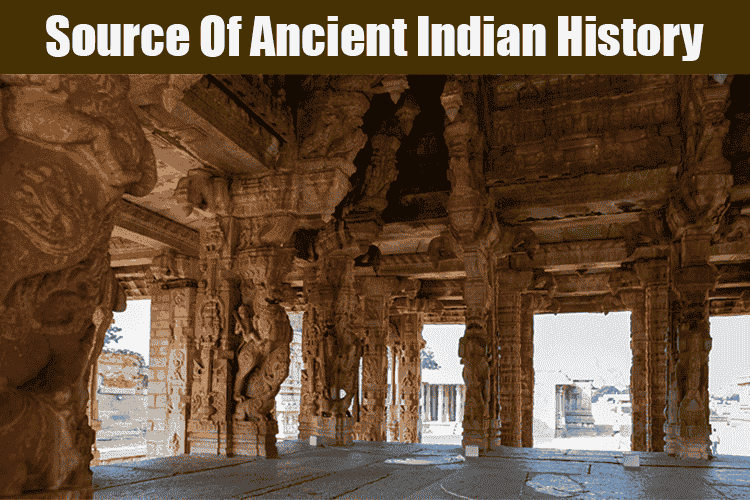
Learn about the major sources of ancient Indian history, their importance and how they help in understanding India's past. Useful for competitive exams and general knowledge
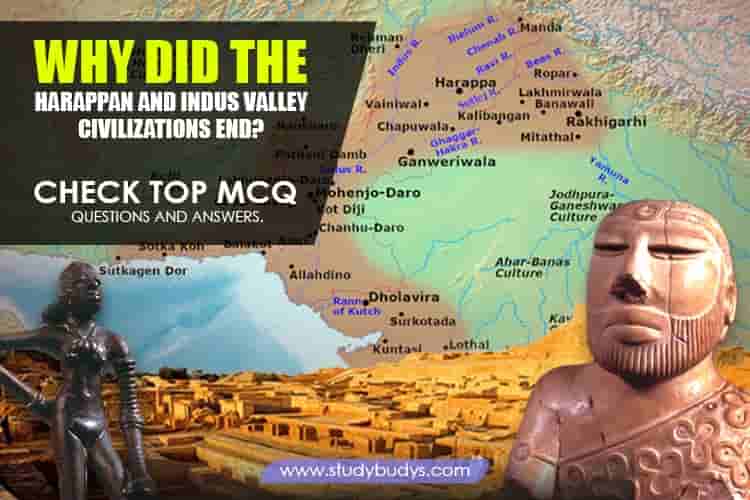
Excavation of the Harappa Origins Life and Death in the Indus Valley The Fall of the Indus Valley Civilization and the Rise of Two Ancient Great Civilizations Harappa and Mohenjo-Daro were located in the Punjab and Sindh provinces of present-day Pakistan. The city originated around 2600 BC and was abandoned around 1700 BC. Here is some information about it
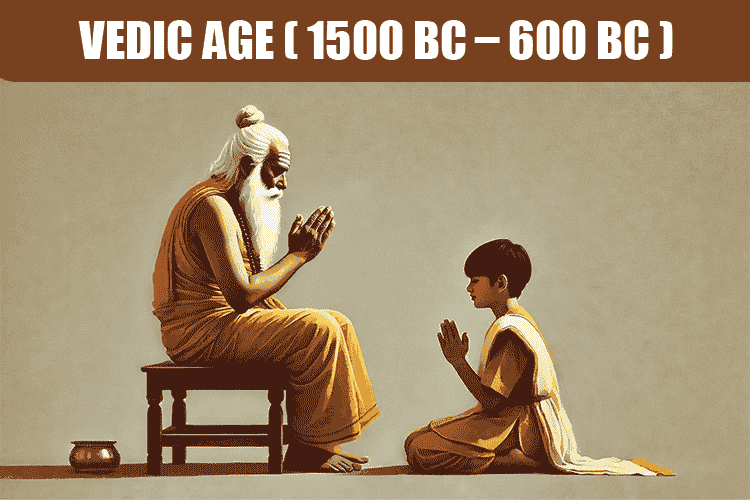
The Vedic period lasted from 1500 BCE to 600 BCE. It arose after the decline of the Indus Valley Civilization. Learn about its culture, society, and significance in Indian history.
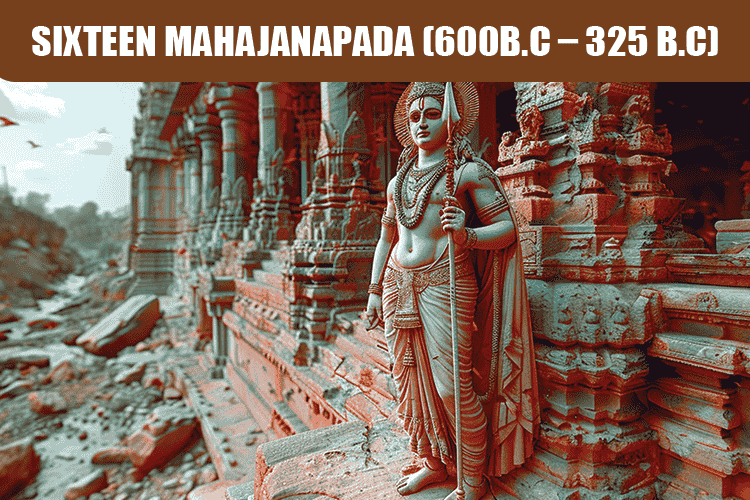
Between 600 BCE and 325 BCE, there were sixteen Mahajanapadas in the Indian subcontinent. During this period, many kingdoms and democracies emerged in the Indian subcontinent. This means great kingdom.
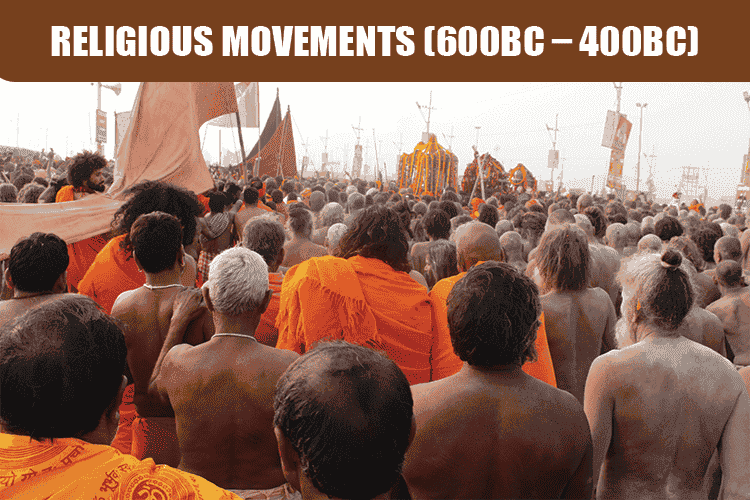
The period between 600 and 400 BCE is considered a crucial period in Indian history and saw the rise of Buddhism, Jainism, and various other sects. These sects rose against the Vedic rituals and priestly order of the time, which were based on simplicity, non-violence and spiritual knowledge
The Mauryan Empire lasted from 321 BCE to 185 BCE. It is regarded as the first great empire in Indian history. The empire covered most of the Indian subcontinent under the leadership of Chandragupta, Bindusara, and Ashoka the Great. It fell due to Ashoka's Dhamma policy.
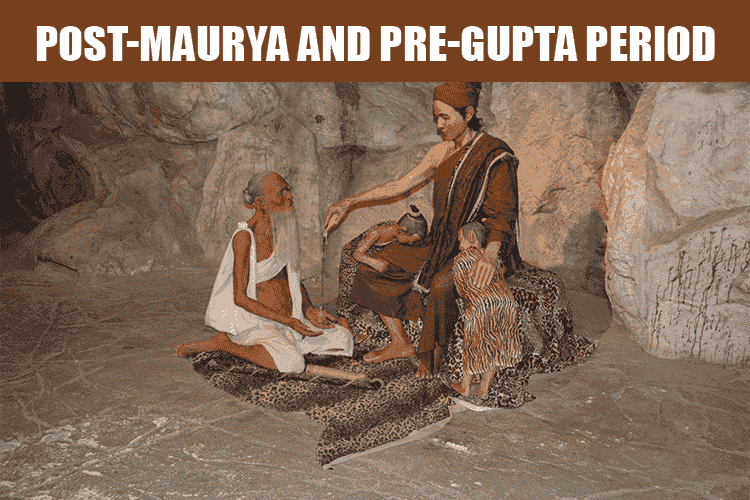
The medieval period between the end of the Mauryan Empire and the beginning of the Gupta period marks a turning point in Indian history. During this period, the Mauryan Empire fell and regional kingdoms such as the Sungas, Kanvas, Satavahanas, Indo-Greeks, Shakas, and Kushanas rose.
The Sangam period is the most important period in South Indian history, especially in Tamil Nadu, from the 1st to the 3rd century AD. It is named after the literary gathering of Tamil poets that flourished under the patronage of the rulers during this period. It was during this period that the early political, social, cultural, and economic aspects were highlighted.
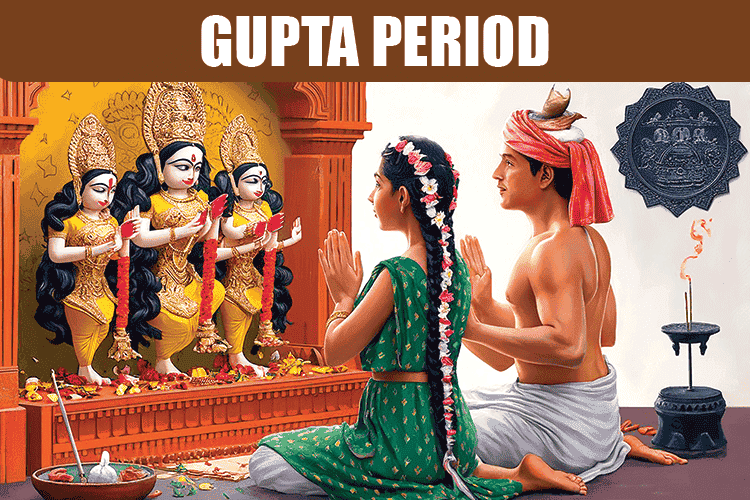
The Gupta era is called the Golden Age of India and its period is from 319 AD to 540 AD. It is marked by impressive achievements in art, literature, science, mathematics and astronomy. This chapter mainly contains many MCQ questions about the administration, society, economy and religion of the Gupta era. It is important for thorough study and understanding.
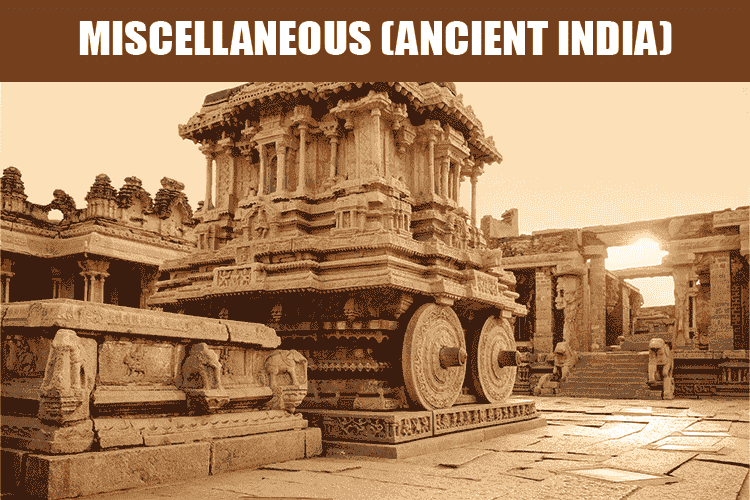
The Miscellaneous (Ancient India) Set-1 passage contains many important questions on all aspects of ancient Indian history such as cultural, social, economic, religious and political aspects. This chapter contains practice questions in multiple choice question (MCQ) format that test the students' understanding of the concepts of the chapter as well as their academic preparation for the exam.
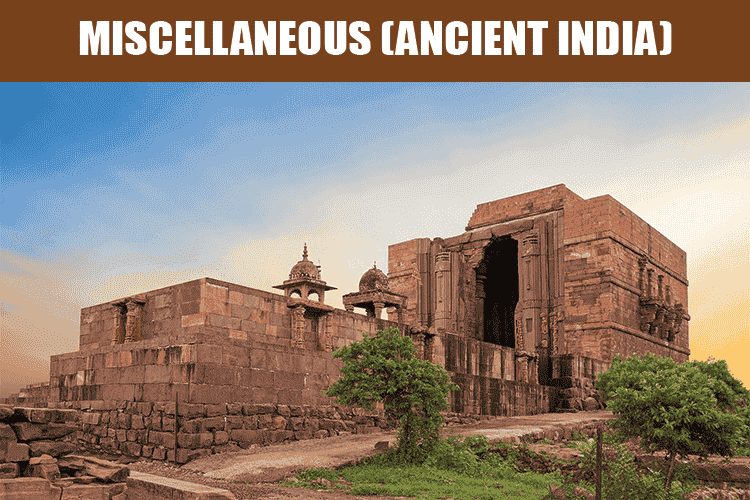
The history of ancient India focuses on early India. It provides a proper guide to the rise of major empires like the Indus Valley Civilization, the Vedic period, the Maurya and Gupta dynasties, and the development of Jainism and Buddhism. Ancient Indian history occupies a prominent place in the UPSC and Civil Services Examinations, including the Prelims and Mains examinations.
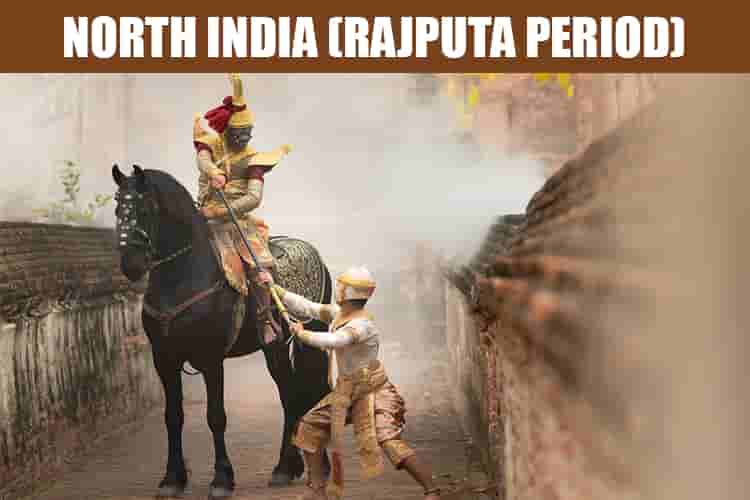
A thorough discussion of Medieval Indian History is necessary for the preparation of UPSC, IAS, and Civil Services exams. According to the Fire Dynasty theory, Tribal Origin theory, Foreign Origin theory, Kshatriya Origin theory, and Mixed Origin theory, the Rajputs are generally considered to have ruled from 647 AD to 1200 AD. Which ended the dynasty during the reign of Harsha II and Pulakeshi.
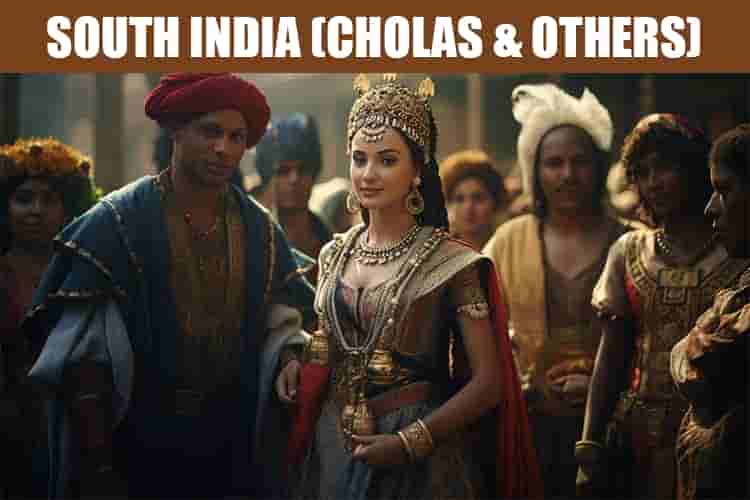
The history of South India helps in understanding the military might, administrative prowess, and impressive naval power of the mighty Chola Empire that flourished from the 9th to the 13th century. Also, essential notes on medieval history related to Pallavas, Rashtrakutas, Vijayanagar, and other South Indian dynasties are available for UPSC and SSC exams.
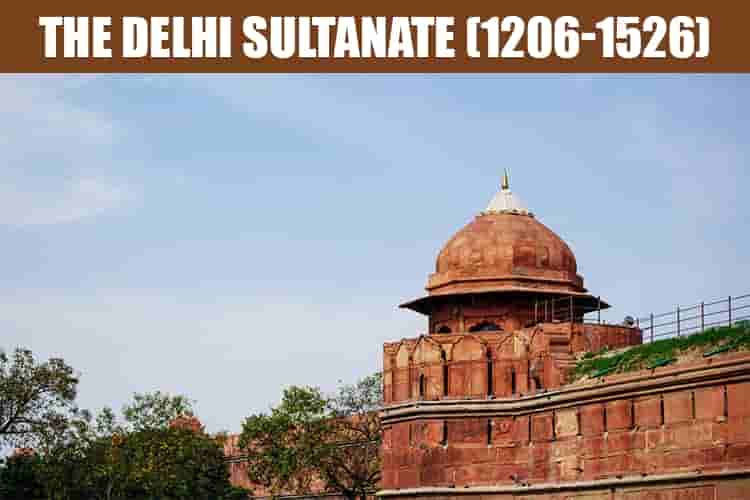
Medieval Indian history from 1206–1526 AD highlights important rulers like Qutbuddin Aibak, Iltutmish, Razia Sultana, Balban, Alauddin Khalji, Muhammad bin Tughlaq and Firoz Shah Tughlaq, as well as important figures of the Delhi Sultanate like Ibn Battuta and Amir Khusrau, the Syed and Lodi dynasties, and the important invasions of Muhammad Ghori, Genghis Khan, Timur and Ahmad Shah Abdali.
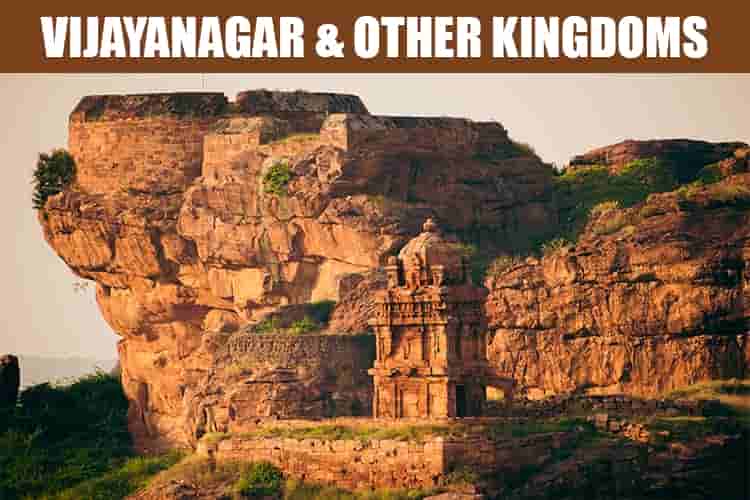
The Vijayanagara Empire, founded by the Sangam dynasty, was powerful in South India. Its foundation by Harihara and Bukka, its prosperity during the reign of Krishnadeva Raya, and the Virupaksha and Vitthal temples at Hampi are notable contributions of this empire. On the other hand, the Bahmani kingdom was founded by Alauddin Bahmani Shah in 1347 AD, whose province (Tarafa) and monuments like the Gol Gumbaz are famous.
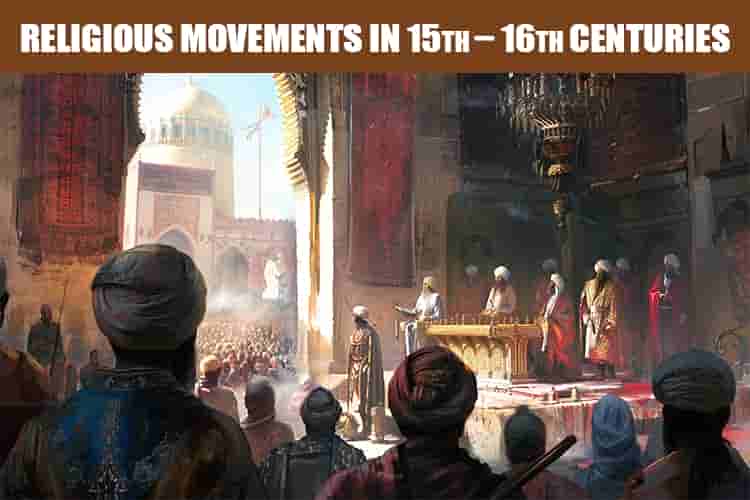
The Bhakti movement of medieval India, with leaders like Ramananda, Ramanuja, Kabir, Mirabai, Chaitanya, Surdas, Namdev, Tukaram, Vallabhacharya, and Basava, emphasized the use of local languages, equality before God, devotion to Krishna, and rejection of caste barriers, along with their doctrine of Susuddhatva and Bidveshi, etc. Nirguna Bhakti.
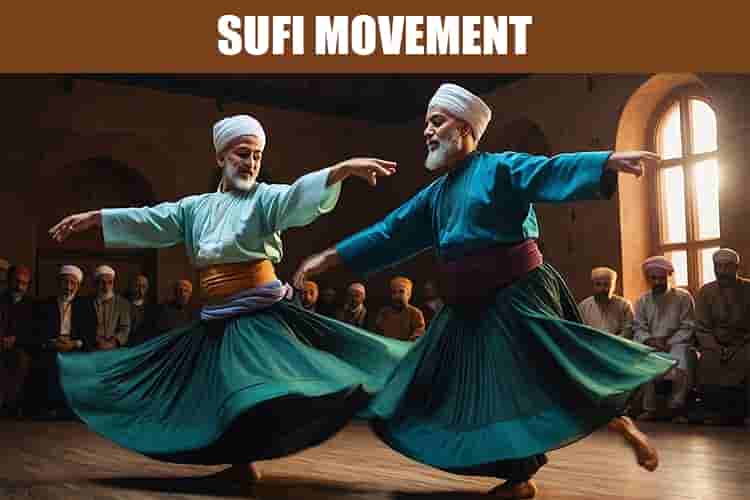
The Sufi movement is important in Indian culture. The Chishti order, founded by Khwaja Moinuddin Chishti, who arrived in India during the reign of Prithviraj Chauhan in the 15th–16th centuries, emphasizes love, tolerance, and devotion. Other orders include the Suhrawardi, Qadiri, Firdausi, and Naqshbandi. It influenced art, poetry, and devotion by blending spirituality.
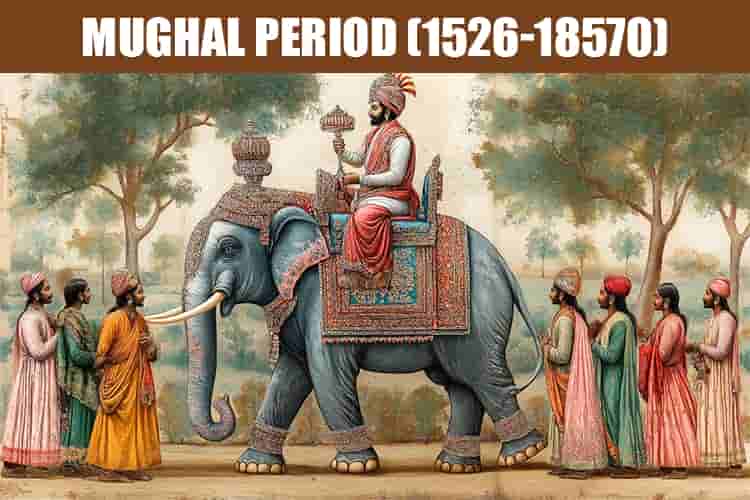
The Mughal Empire, which ruled India for over three centuries, was established after the First Battle of Panipat. From the Mansabdari, the Jabati revenue system, Sulah-i-Kul and Din-i-Ilahi to great monuments like the Taj Mahal and the Red Fort, the empire collapsed in 1857 due to invasions, internal conflicts and rising regional powers.
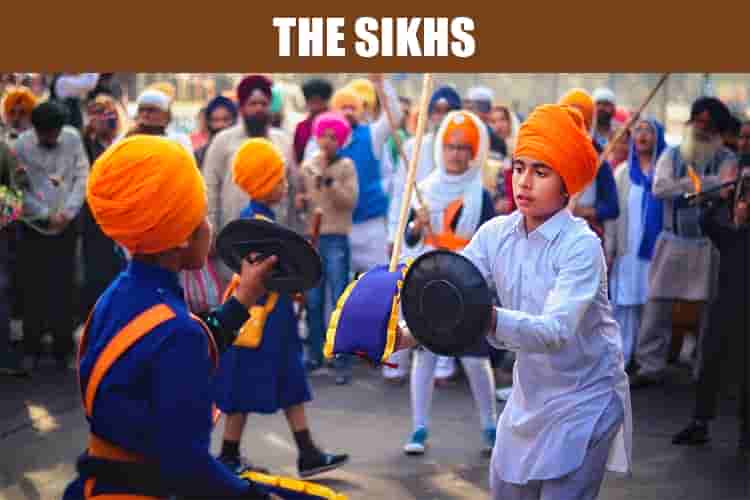
The Sikh community was a fierce opponent of Mughal power. Starting from the execution of Guru Arjun Dev during the reign of Jahangir, the death of Guru Tegh Bahadur on the orders of Aurangzeb, the establishment of the Khalsa at Anandpur by the tenth Guru, Guru Gobind Singh, and Banda Bahadur's struggle against the enemies of the Khalsa, the rise of the Sikh Misal in the Punjab, and the rise to power of the Marathas in the 18th century.
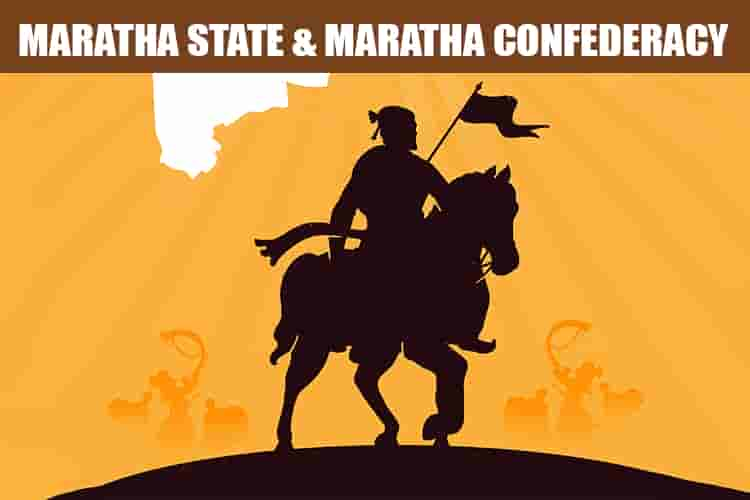
In 1674, Shivaji founded the Maratha kingdom at Raigad. Under his administration, which was governed by the Ashtapradhan Parishad, the Peshwa was the prime minister and Ramdas was the spiritual guide. The Marathas came to power by defeating the Mughals through guerrilla warfare. Later, under Lord Hastings, the Peshwa was removed and Maratha power declined under British rule.

The arrival of Europeans in India is an important chapter in Indian history, following Vasco da Gama's discovery of the Calicut sea route in 1498. After Goa and Hooghly, the Portuguese, Dutch, English, and French gradually established trade in India at Masulipatnam and Surat, which later led to the British gaining dominance in India.
Ancient and medieval influences on Indian literature, science, religion, and history are significant. From classical Sanskrit, medical and scientific texts to historical, philosophical, and socio-religious works, they reflect the richness of India's cultural, political, and intellectual heritage over the centuries.

Rooted in ancient cultures such as Mehergarh (c. 6000 BCE), the Harappan civilization flourished in the Indus Valley between 2600–2000 BCE, extending into Punjab, Gujarat, and Balochistan, with major cities such as Harappa and Mohenjo-daro.
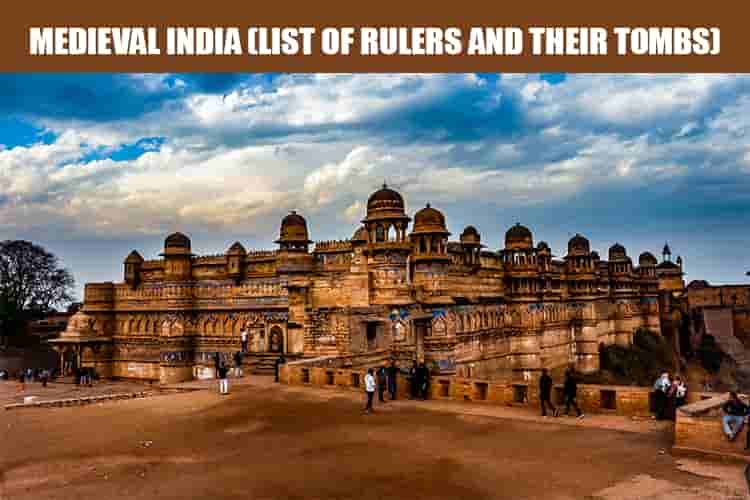
Among the medieval Indian rulers, the royal tombs of Babur, Humayun, Akbar, Jahangir, and Shah Jahan, the builder of the Taj Mahal, reflect the splendor and architectural style of their time. Also, the modest tomb of Aurangzeb and, among the Afghan rulers, the massive tomb of Sher Shah Suri, a masterpiece of Indo-Islamic architecture.
Indian philosophy was founded by various great thinkers, who shaped ancient thought. Their works emphasize liberation, the establishment of justice, the explanation of the nature of reality through atoms, materialism, the establishment of rituals and religion, spiritual knowledge, and ultimate truth.
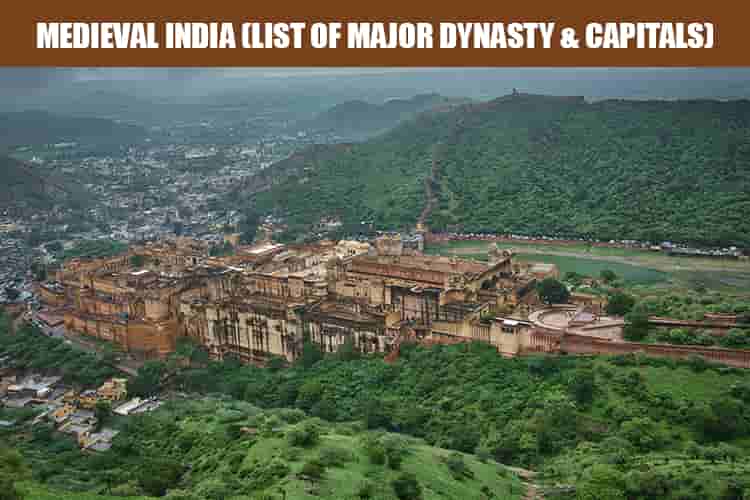
In ancient and medieval India, most of the early dynasties, such as the Nandas, Mauryas, Sungas, Kanvas, and Guptas, ruled from Pataliputra. In the south, capitals included Thanjavur, Kanchipuram, Madurai, Warangal, and Dwarsamudra.
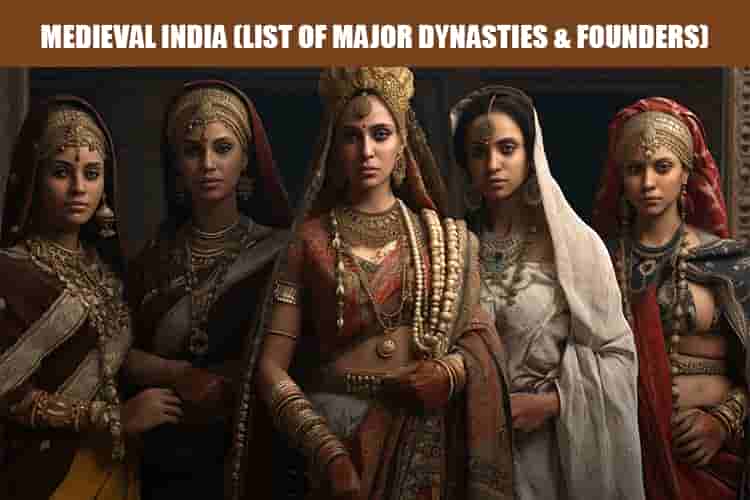
Indian history has witnessed the rise and fall of numerous great dynasties, which have significantly shaped its political and cultural heritage.
The history of ancient and medieval India began with the Indus Valley Civilization, the Vedic period, and the rise of the Mahajanapadas. Then, the preaching of new religions by Mahavira and Gautama Buddha, Western contact with India, the expansion of the Mauryan Empire after the Kalinga War, and the creation of the Golden Age influenced Indian history in various ways.

The rise of the sitar in the art of medieval India, the construction of Charminar, the Sun Temple at Konark, the Victory Pillar at Chittor and the Brihadeshwar Temple in architecture, as well as schools of painting such as Kangra, Kishangarh and the Deccan, and temples in the Dravidian, Nagara and Gandharan styles, reflect the creativity of this period.
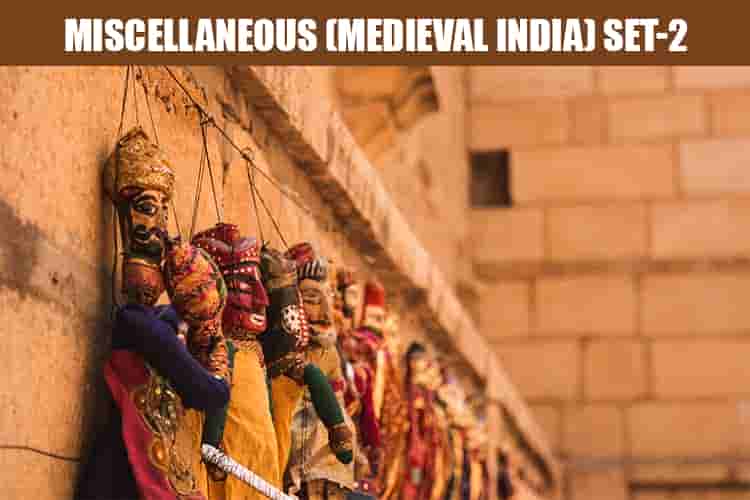
In medieval India, the construction of masterpieces like Buland Darwaza, Fatehpur Sikri, Taj Mahal, Red Fort, and Moti Masjid, to monumental monuments like Charminar, Konark Sun Temple, Jagannath Temple, Brihadeeswarar Temple, and Kailash Temple at Ellora, as well as the association of musicians and other artists like Tansen, made this period a golden age of art and architecture.
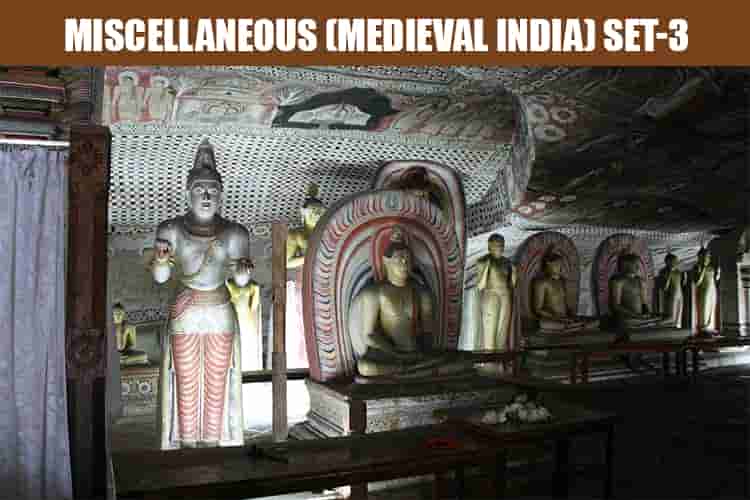
Foreign travelers like Ibn Battuta and Alberuni appeared in India during the medieval period. Famous works like Humayun Nama, Ain-i-Akbari and Padmaavat were created during this period.
This set of question answers will help you learn about the political history of famous rulers like Ashoka, Harshavardhana, Samudragupta, Krishnadev Raya and Sher Shah Suri, their contributions to Indian administration, art and architecture and important battles like Palashi, Buxar and Hydaspes.
The history of modern India, covering the beginnings of the British Empire in India, the establishment of the East India Company's control over Bengal, Bihar and Orissa, and the impact of policies such as the Subsidiary Alliance and the Doctrine of Lapse.
British rule led to the colonial exploitation and economic degradation of India, which in turn led to India's economic stagnation, poverty, and dependence on Britain.
In the socio-religious reform movements of the 19th century, Raja Rammohan Roy's Brahmo Samaj, Dayanand Saraswati's Arya Samaj, Vivekananda's Ramakrishna Mission, and Syed Ahmed Khan's Aligarh Movement inspired national awakening and helped lay the foundation for India's modern, rational, and reformist outlook.