The Lokayukta, also known as the Civil Ombudsman of the Government of India, represents an institution established to combat corruption and maladministration in the civilian states of India.
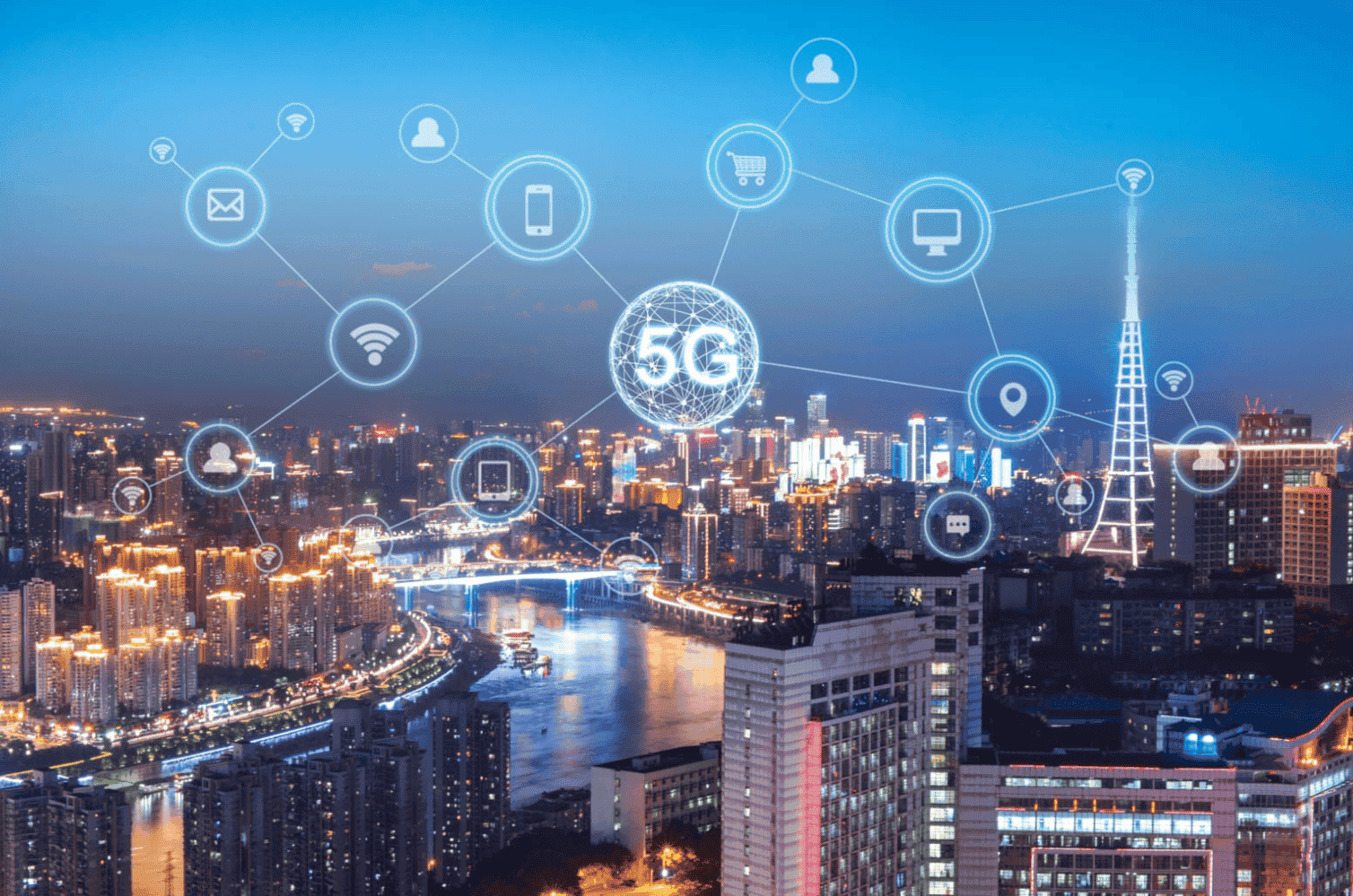
With speeds of around 20 gigabits per second, 5G has brought a major revolution in the world of connectivity by supporting uninterrupted speeds and a vast internetwork of device connections.
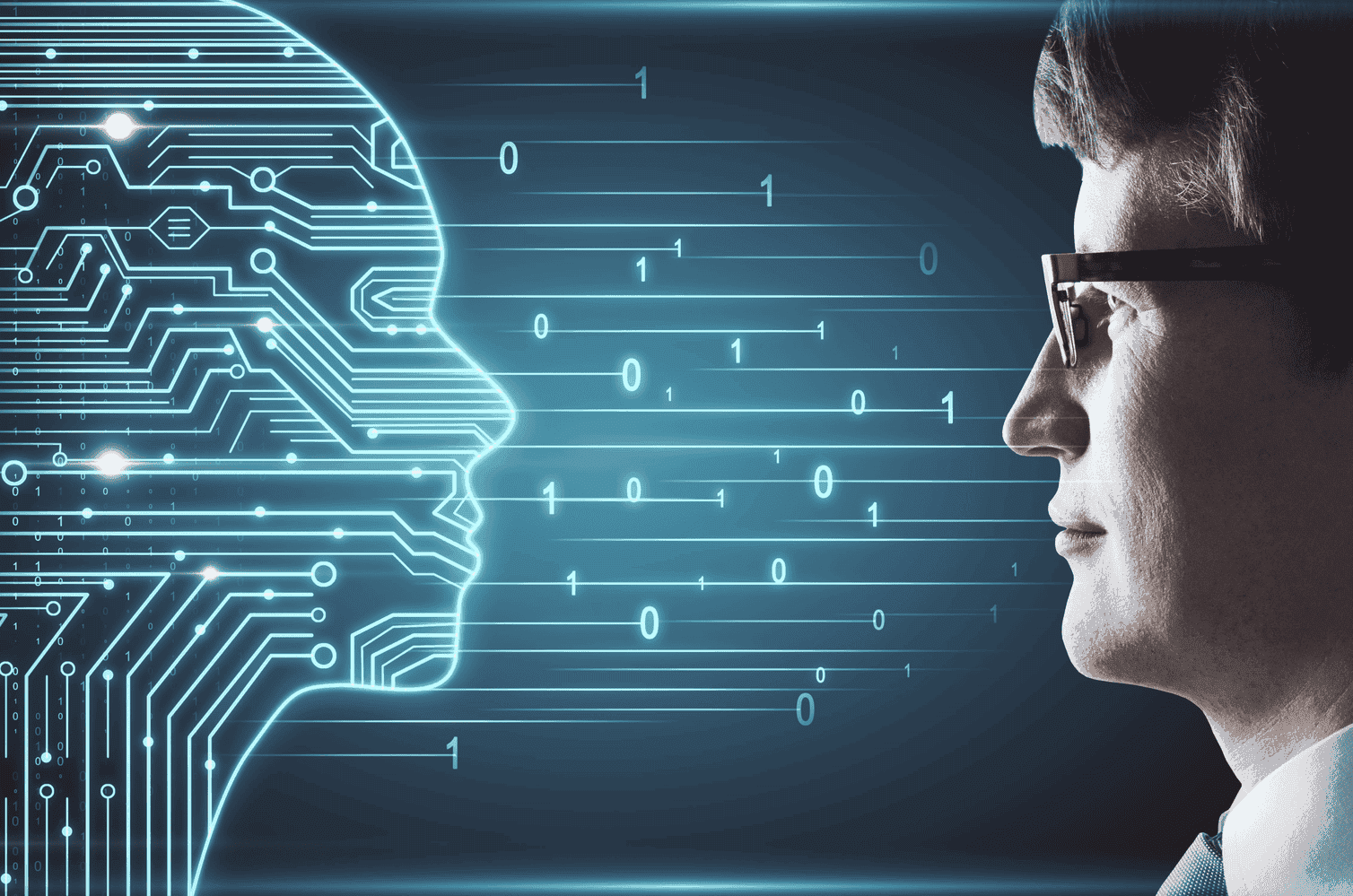
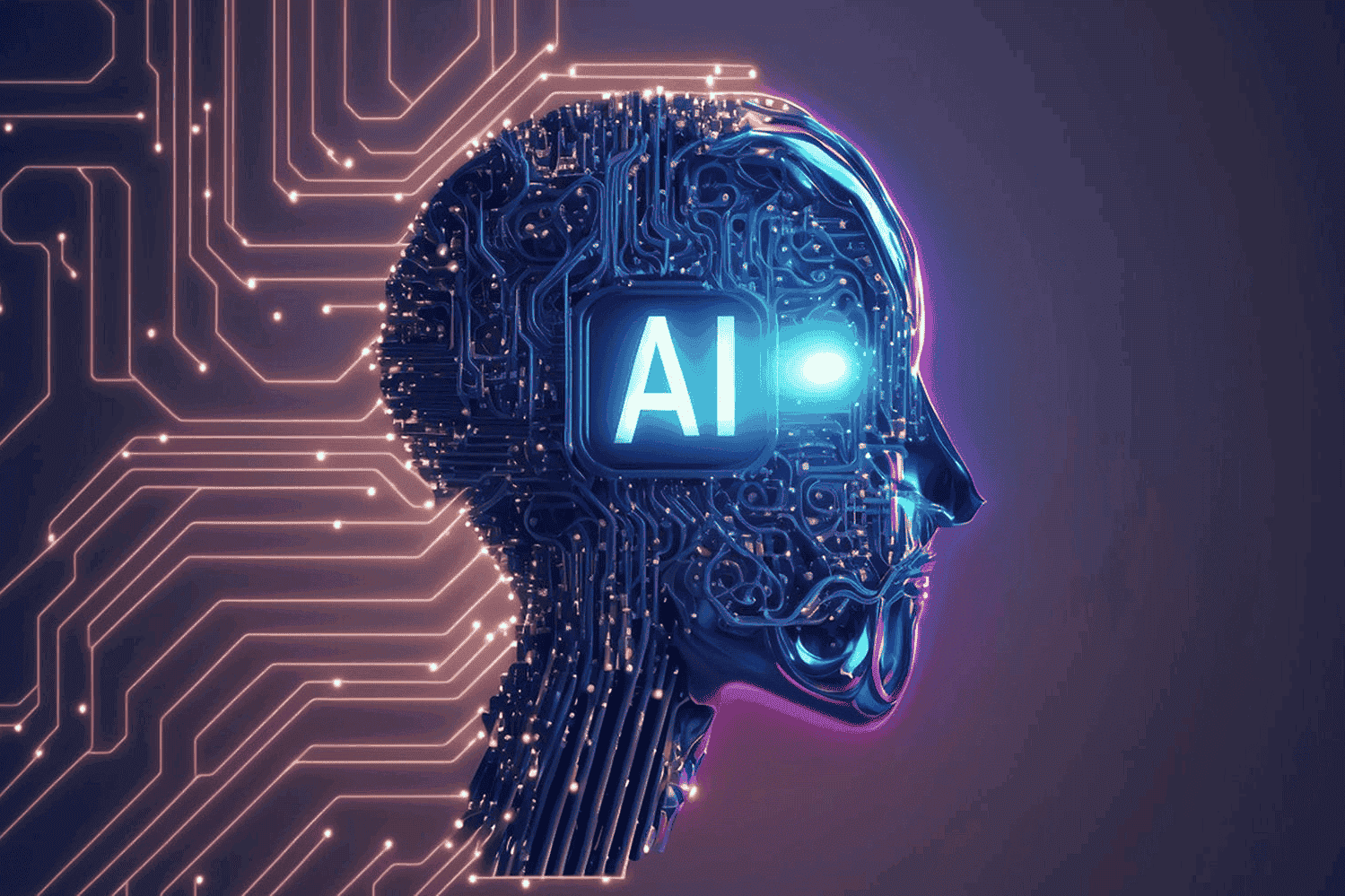
AI is a deep learning approach built on the foundation of neural networks that mimic the functioning of the human brain, where algorithms analyze patterns through interconnected node layers, generate valuable insights, and process varying amounts of data with precision.
India's nuclear program is built on the principles of no-first-use, credible deterrence and strong command authority that ensures long-term energy security and self-reliance for the nation by using uranium, plutonium and thorium for long-term energy security.
Radiation is the release of energy through waves or particles, and radioisotopes are unstable atomic forms that, despite their risks, have transformed modern science into powerful tools in fields ranging from medical imaging and cancer therapy to industry.
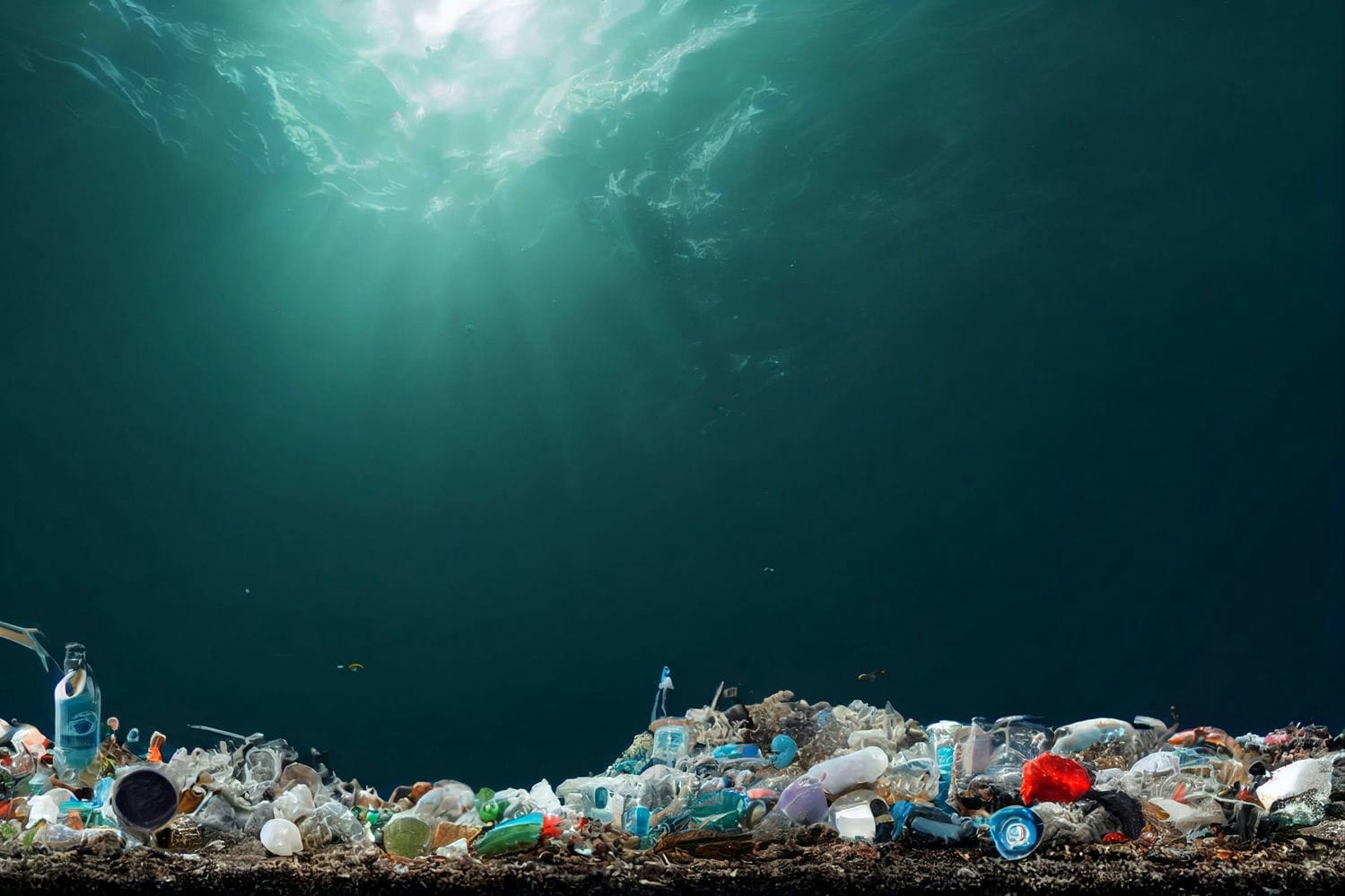
Plastic is a non-biodegradable material that causes significant damage to the environment. Sustainable alternatives such as cloth bags, recycling, and reducing the use of single-use plastics are important solutions to prevent plastic pollution.
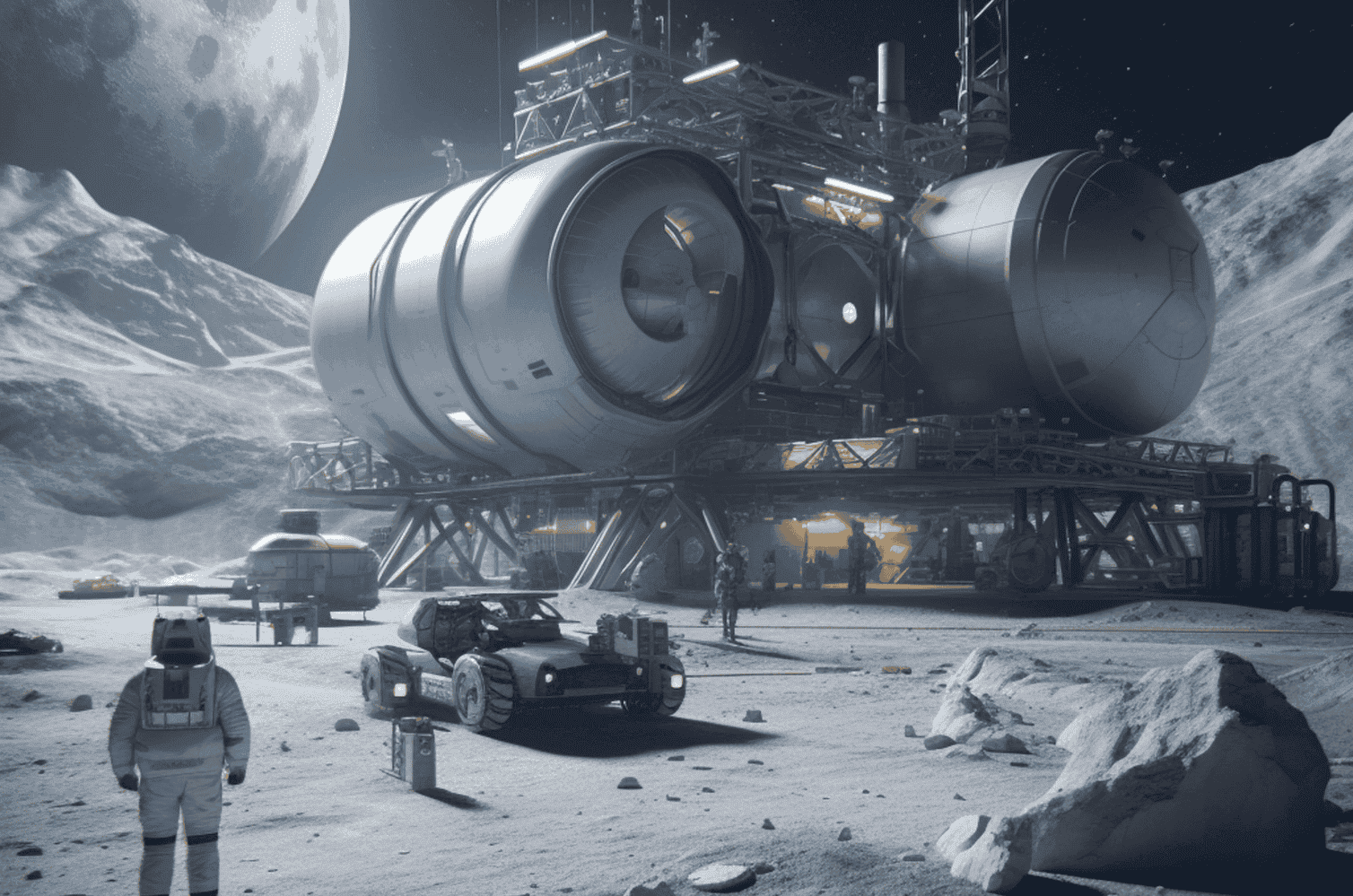
From the discovery of water by Chandrayaan-1 to Chandrayaan-3, India's successful missions are a milestone of historic progress in innovation, resilience, and global space leadership.
Covering 14 million square kilometers, Antarctica, the coldest continent on Earth, is home to unique wildlife, important scientific research, and vast icy landscapes. It holds 60% of the world's fresh water and is a vital repository of Earth's climate history.
Aging Decoded plays a key role in slowing biological aging, increasing longevity, and preventing age-related diseases by supporting cell repair, metabolism, and overall health.
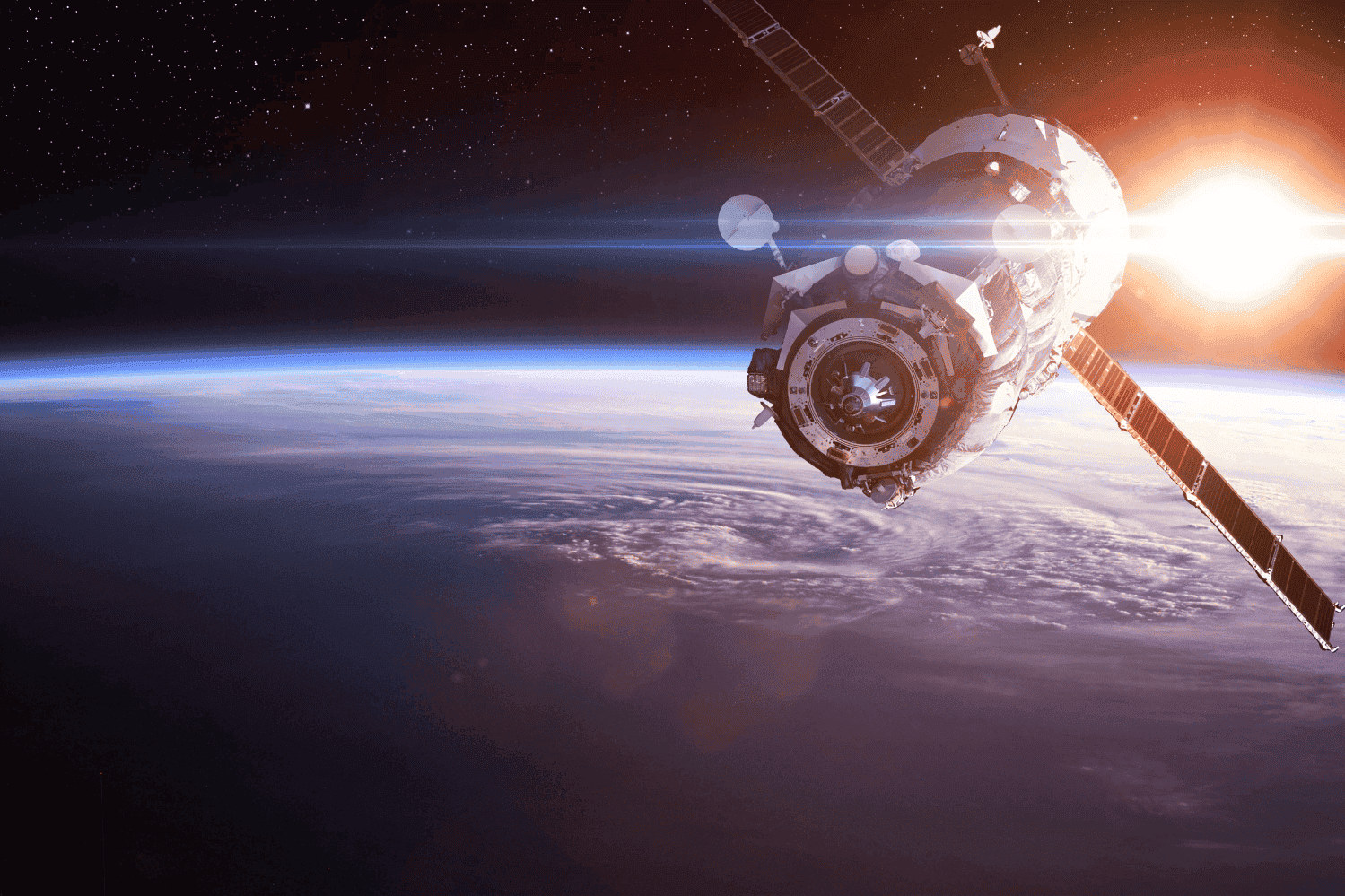
The evolution of astronaut transportation from capsules to SpaceX's reusable vehicles highlights the progress from government-led missions to private innovation, which is opening the door to interplanetary exploration to the space station, the moon, and beyond.
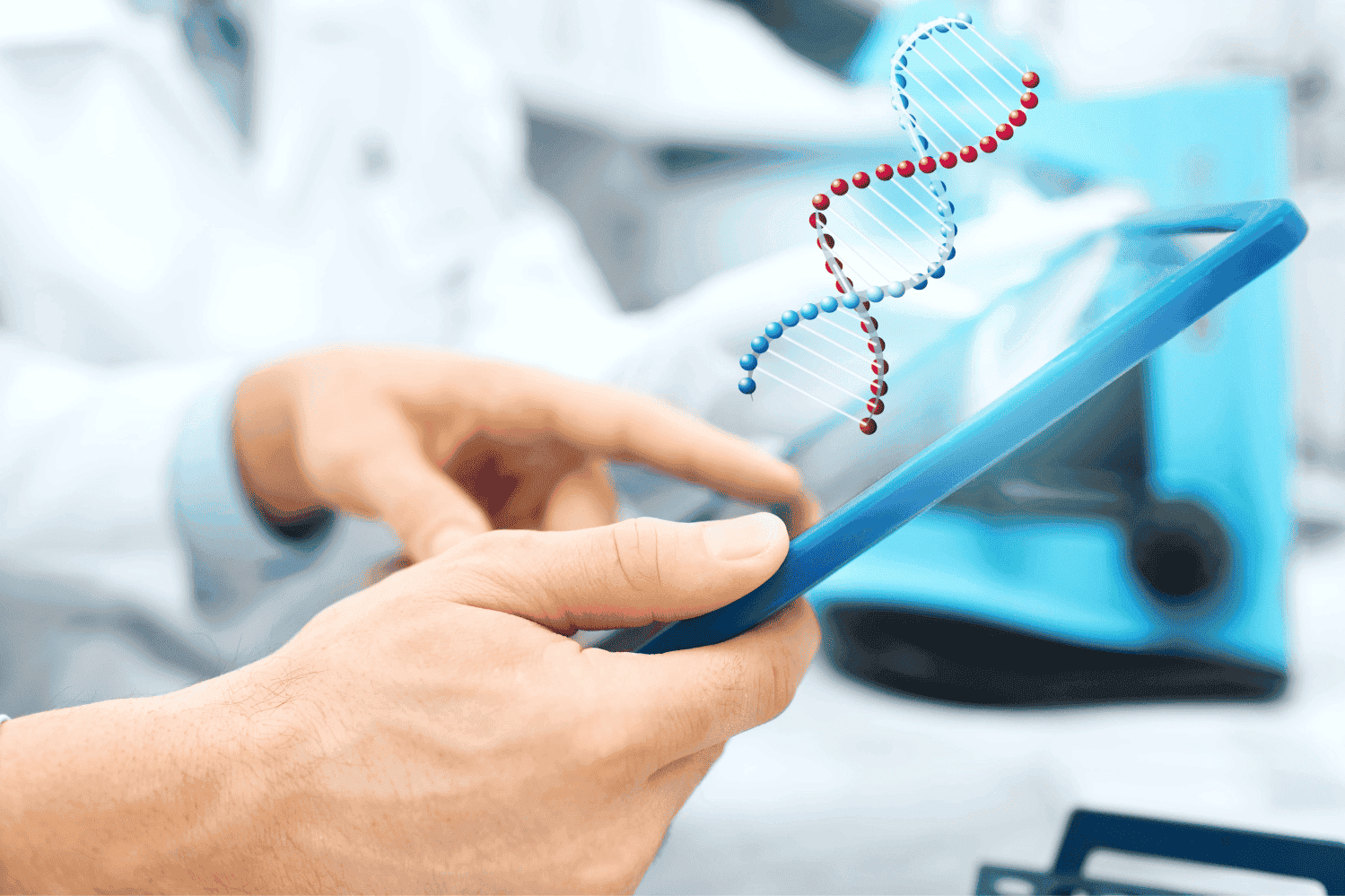
Gene therapy is an innovative genetic technique in medical science that offers hope against diseases such as hemophilia and thalassemia by using healthy genes to correct defective genes.
Through groundbreaking programs from the ISS to future missions to Mars, NASA is shaping the future of space exploration by pushing scientific boundaries, expanding human presence in space, and inspiring global collaboration.
Zika virus: symptoms, prevention, impact and awareness
Date -
5th February 2024
The Zika virus is one of the viral families that threaten humans around the world, and zoonotic infections come mainly from the bites of infected mosquitoes.
Jawaharlal Nehru: Architect of modern India and inspirational leader
Date -
1st February 2024
Jawaharlal Nehru was the first Prime Minister of independent India and he was an anti-colonial nationalist, secular humanist, social democrat, and author.
Celebrating Aspiration: A glimpse into Children’s Day
Date -
29th January 2024
Children's Day is celebrated in India to raise awareness about children's rights, education, and welfare on the birthday of India's first Prime Minister.