A lifeline for rural India, MGNREGA strengthens Panchayati Raj by ensuring 100 days of wage employment to rural households, making it one of the largest social welfare schemes in the world.
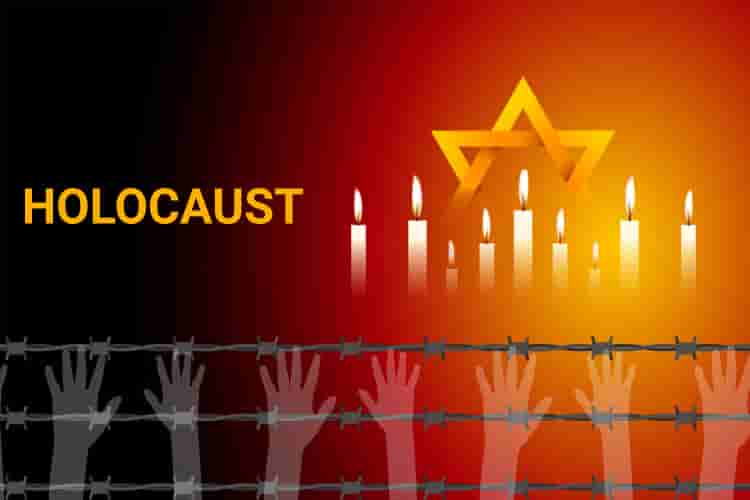
Considered as the shadow of History the Holocaust is the genocide of 1944-45 during the time of World War II. It describes the cruelty of the Nazi forces led by Adolf Hitler.
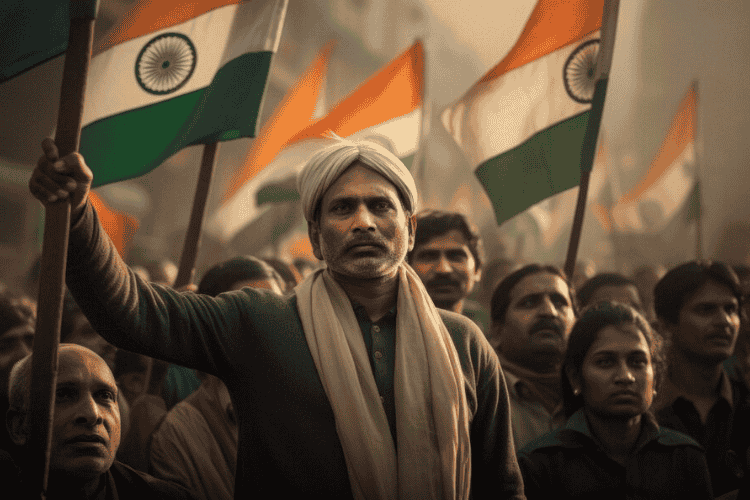
Make in India is an initiative, launched by the government on September 25, 2014, to transform India into a global manufacturing hub. This initiative aims to improve the ease of doing business, boost the country's industry by encouraging both domestic and international companies to manufacture their products in India, and create jobs and promote innovation. It was implied to establish India as a key player in global supply chains, focusing on sectors such as electronics, automotive, defense, and textiles.
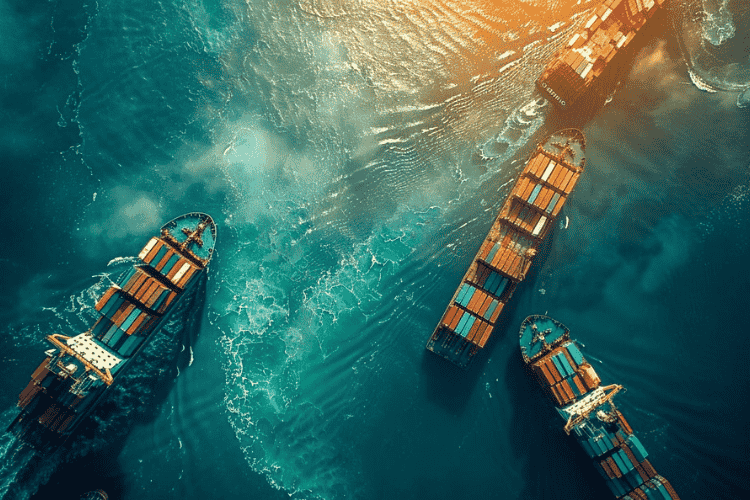
Egyptian President Gamal Abdel Nasser's nationalization of the Suez Canal was the root cause of the Suez Crisis of 1956. The invasion of Sinai by Israeli forces, supported by Britain and France, and the ceasefire, pressured by the Soviet Union and the United States, created an international stalemate. The crisis marked the decline of British and French influence in the Middle East and the rise of Egyptian power.
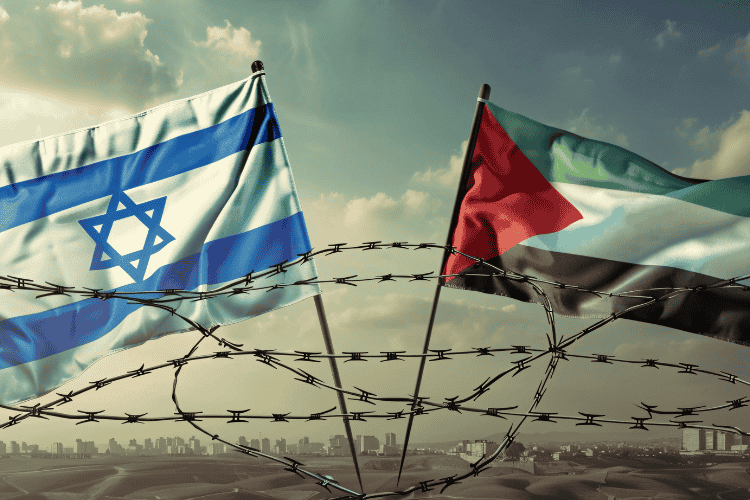
The Israel-Palestine conflict is a deep-seated, longstanding, and complex struggle over identity, land, power, and sovereignty marked by recurring violence and humanitarian challenges.
India's support for Israel in the Iran-Israel conflict, in the context of good Indo-Israeli relations, has complicated India-Iran relations. As a result, India's relations with Iran require a careful diplomatic balance.
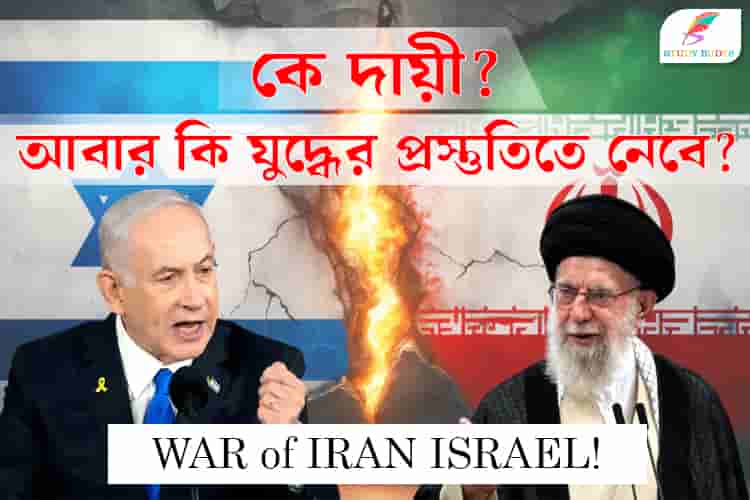
The Israel-Iran conflict is a multifaceted geopolitical struggle, driven by political, military, and ideological factors. This longstanding tension includes proxy conflicts, cyber warfare, and covert operations. Learn about the history and latest situations of this shadow war.

Understand how the RTI Act helps you access public information easily. Empower yourself with transparency today.
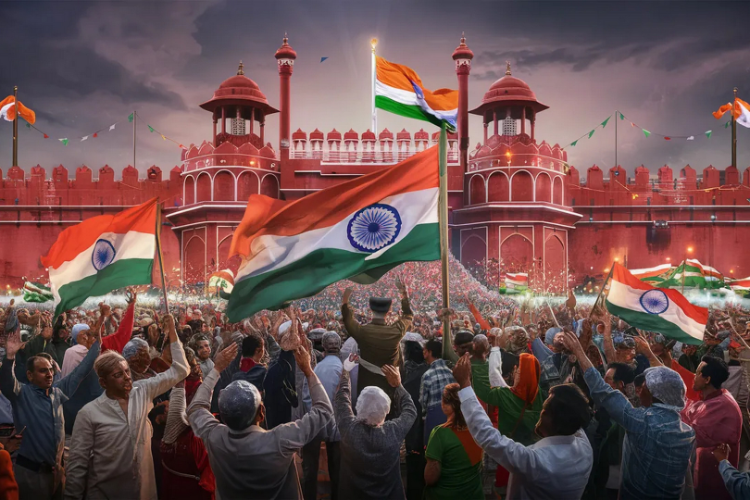
Explore how India's Collegium system influences judicial appointments and decisions.

As per the National Education Policy (NEP) launched by the Union Cabinet of India on July 29, 2020, it aims to transform India's educational landscape by 2030.

In early 2014, the post-Cold War situation in Eastern Europe came to an end as the crisis in Ukraine intensified.
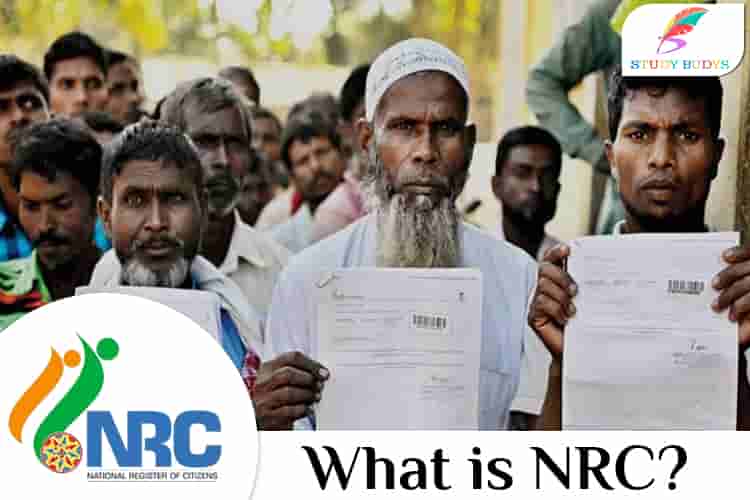
Migration from areas adjacent to Bangladesh has been a long-standing issue that the refreshed cycle conducted from 2015 to 2019 involved verifying the citizenship status of all residents of Assam.
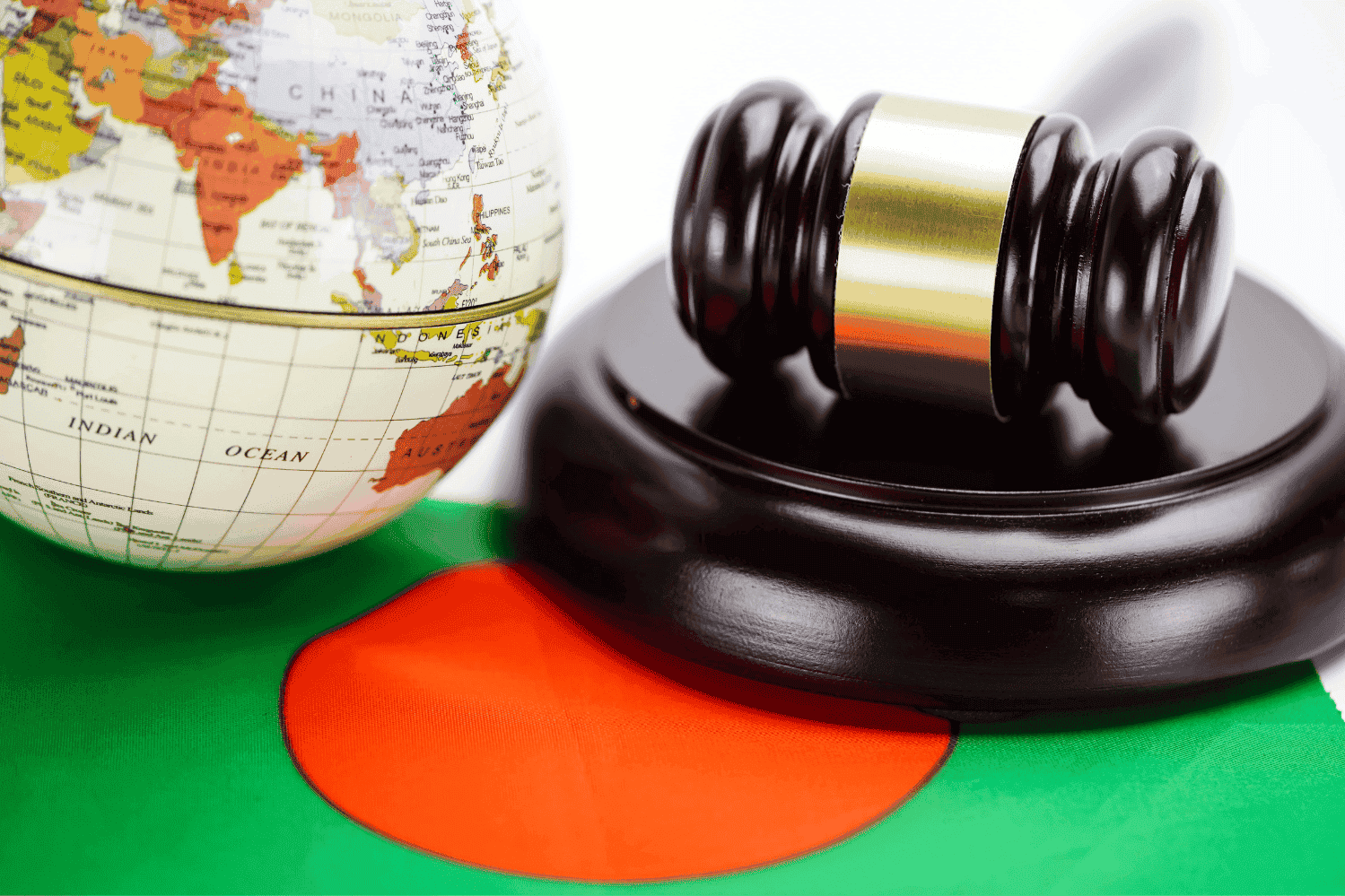
The "Citizenship Amendment Act, 2019" (CAA) is a controversial regulation enacted by the "Government of India" on December 12, 2019, which amends the 1955 Act and proposes to grant fast-track Indian citizenship to abused spiritual minors.

"Electoral bonds", also known as intermediated bonds, are a financial instrument created in India in 2018 to provide transparent political donations.

The Gujral Doctrine, introduced by I. K. Gujral in the 1990s, emphasizes goodwill, non-interference, and regional cooperation, guiding India's relations with its South Asian neighbors through a policy of non-interference and peaceful cooperation.

NAM is a group of 120 countries, established in the context of the Cold War to promote the interests of developing countries, without formal alliance or opposition to any major power bloc.

Panchsheel is a five-principle code of peaceful coexistence that outlines a set of guidelines for diplomacy and international relations.
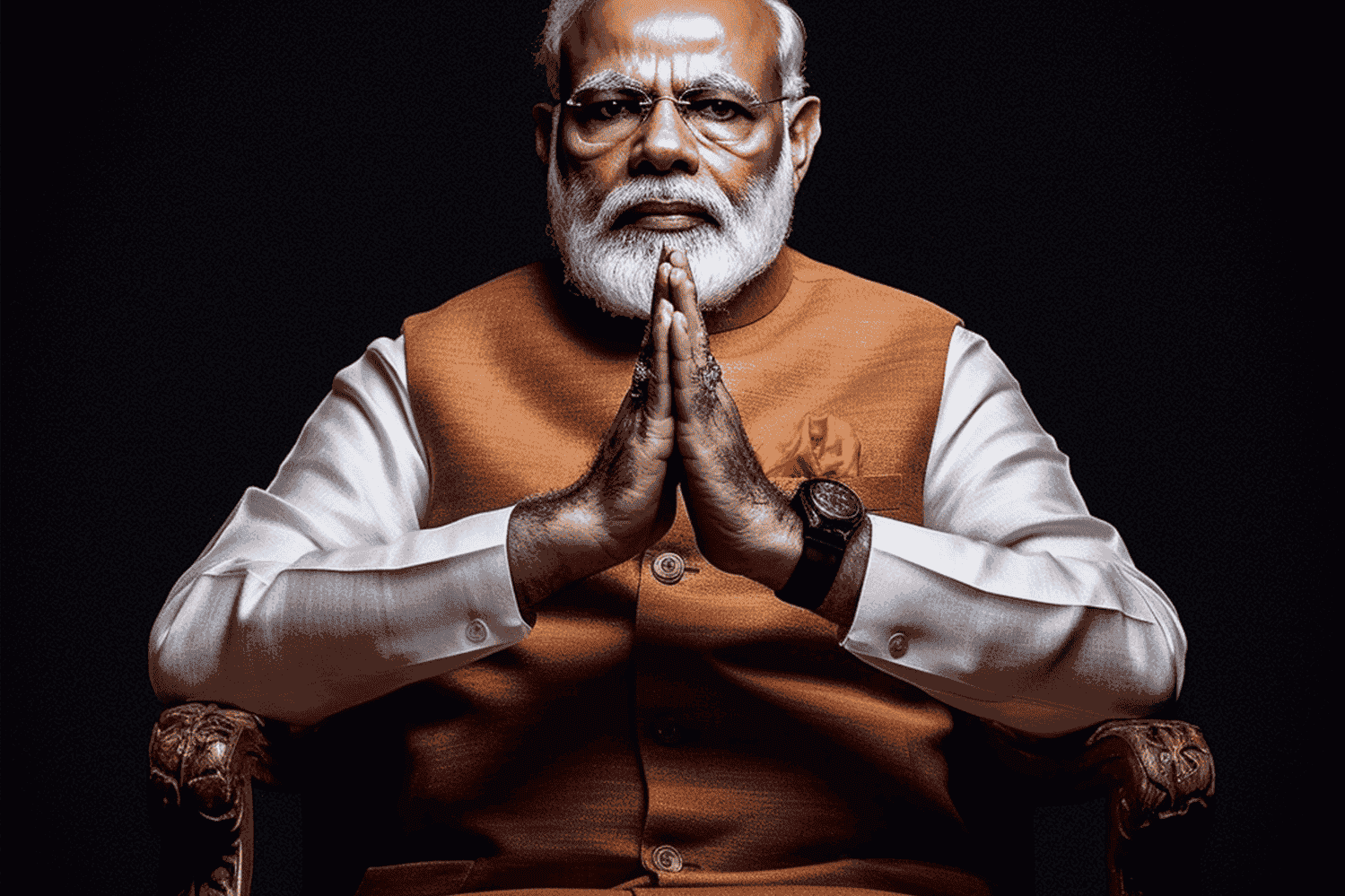
It relates to the steps taken by the current Indian government towards other states following the significant victory of the Bharatiya Janata Party in India under the leadership of Narendra Modi in May 2014.
The Lokpal and Lokayukta Bill, passed on December 17, 2013, helps punish everyone from rickshaw pullers to the Prime Minister for corruption or heinous crimes.