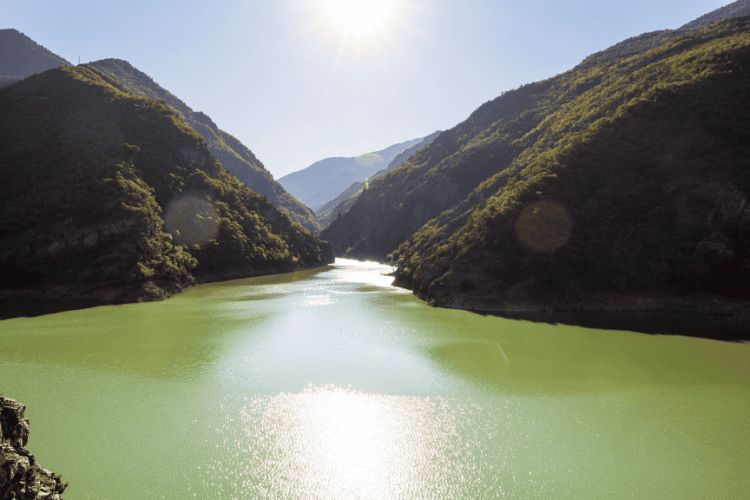
The Deccan Plateau river system that includes Godavari, Krishna, Tapi, Tungabhadra, Narmada all of which sourced from The Western Ghats and flows towards eastern coast. They support farming, water supply, hydroelectric power and the biodiversity of this region.
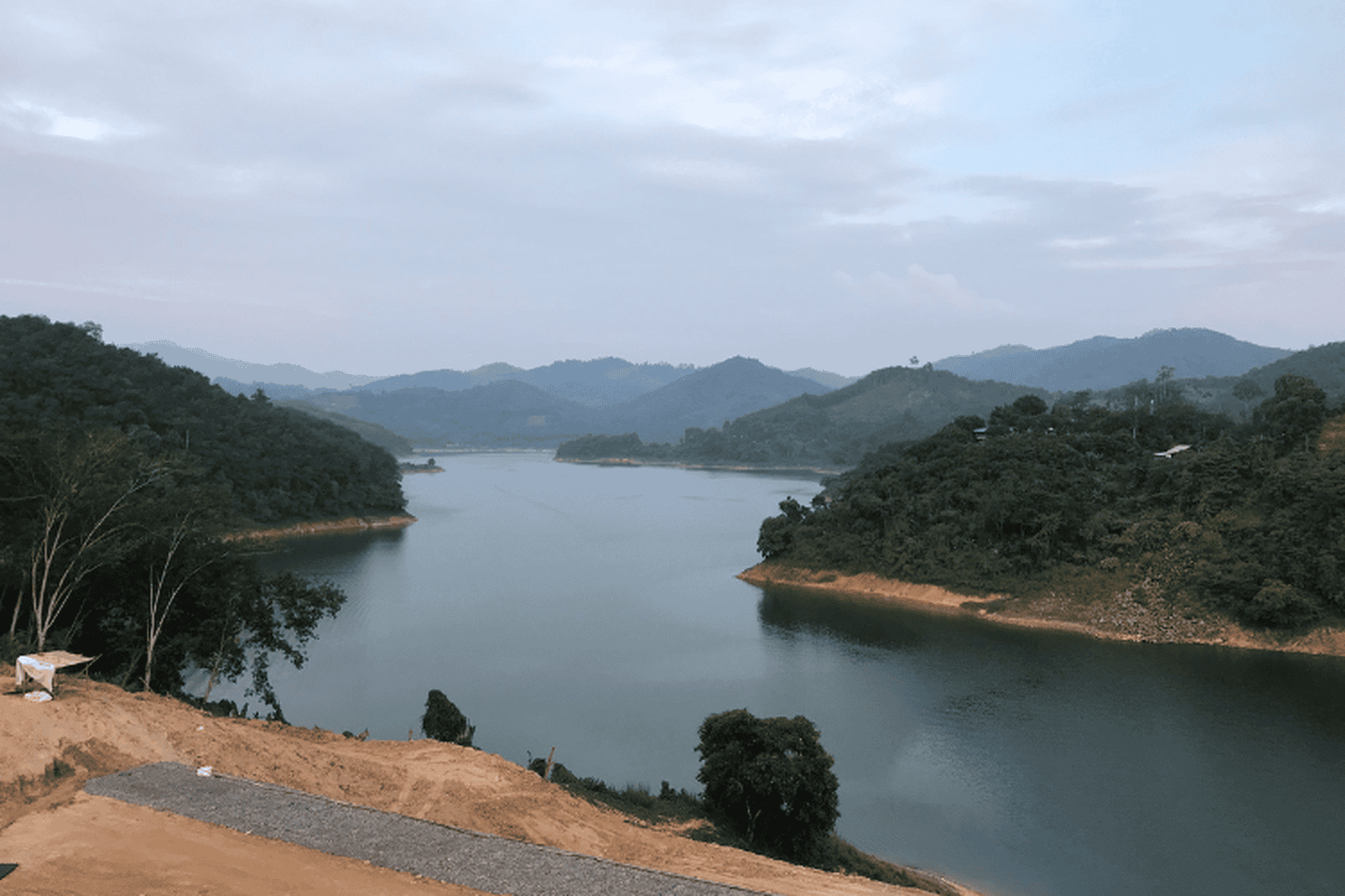
Rivers along the east and west coasts of India are diverse and vary along the coastline. These rivers are generally small, with steep gradients and fast-flowing water, especially during the rainy season. Rivers like Subarnarekha, Palar, Godavari, Krishna, Kaveri, and Penna flowing along the east coast fall into the Bay of Bengal. On the other hand, rivers like Narmada, Tapi, Mandovi, Vashishti, Shastri, and Zuari on the west coast flow towards the Arabian Sea.
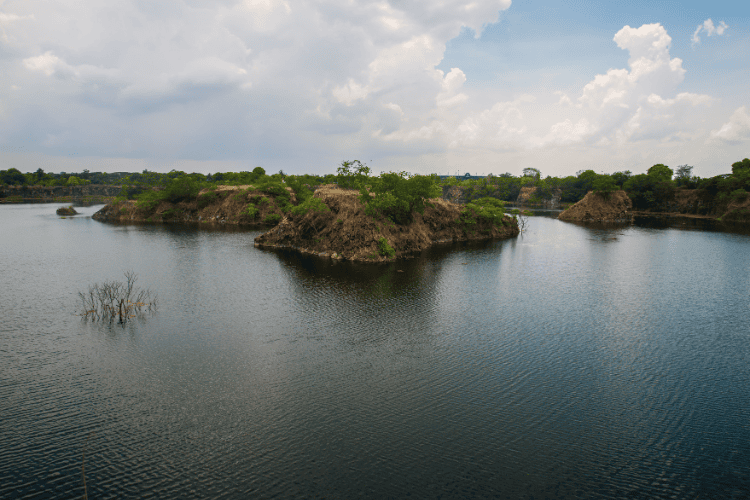
The rivers Godavari, Krishna, Kaveri, and Mahanadi, originating in the Western Ghats and the Deccan Plateau, are the peninsular rivers of India. These rivers are primarily rainfed, have short courses, flow eastwards into the Bay of Bengal, and play an important role in the agriculture and ecosystems of the region.

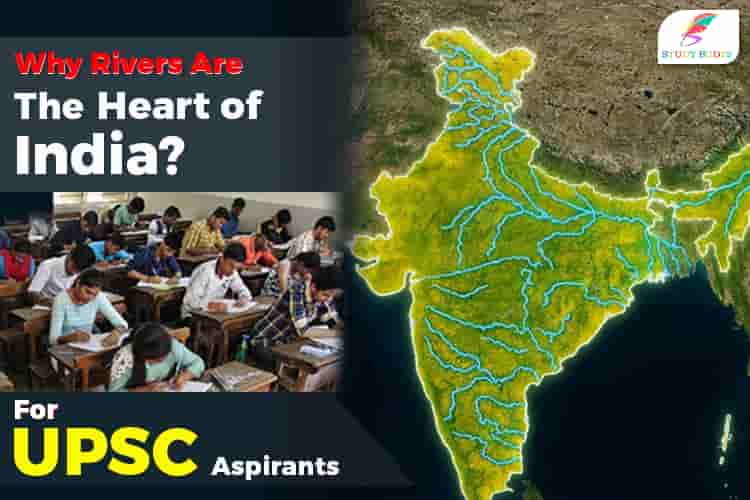
Major rivers like the Ganga, Yamuna, and Brahmaputra provide not only water for crops but also hold deep cultural significance, supporting livelihoods and spiritual practices for millions.
Explore India's four drainage systems based on their diversity of sources, including their different characteristics and impacts on society and the environment.
The drainage system is a classification of rivers flowing across India. About 23% of the rivers in this system flow into the Arabian Sea and deeply support the biodiversity and human life along their various flow paths.
About 77 percent of India's drainage flows toward the Bay of Bengal due to the natural slope of the peninsular plateau.
Explore India’s rich heritage and crucial exam insights in this comprehensive guide for competitive aspirants.