Introduction:
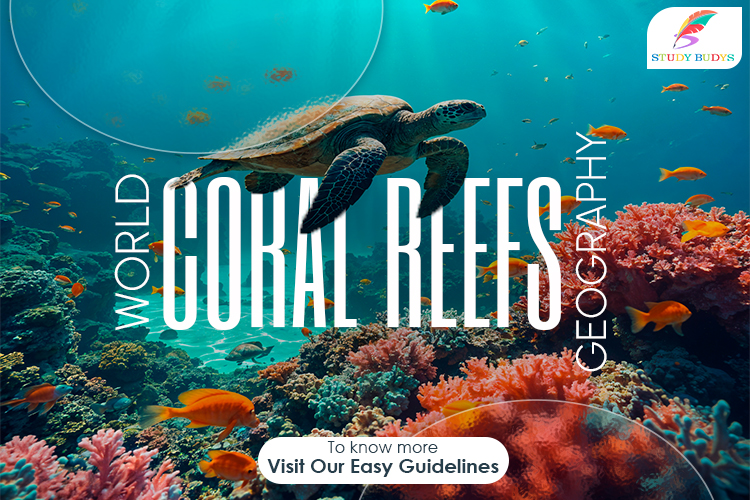
Ecosystems are generally divided into two categories: terrestrial and aquatic. One of the world's most diverse aquatic ecosystems is the coral reef, whose structure is formed by the skeletons of colonial marine invertebrates called corals. These habitats created by corals are often referred to as "rainforests of the sea" because of the immense biodiversity they support. The animals that build coral reefs, the coral polyps, can take on various forms, such as large reef-building colonies, beautiful fan-shaped structures, and even small, solitary organisms. Approximately 25% of all fish in the ocean depend on healthy coral reefs for food and reproduction.
Table of contents:
- Origin of coral reefs
- How coral reefs are formed?
- Types of coral reefs
- Ideal temperature for coral reefs
- Advantages of coral reefs
- Threats to coral reefs
- How to protect coral reefs
- Coral reefs in India
- Coral reefs in Andaman and Nicobar Island
- Coral reefs in Lakshadweep
- Best coral reefs in the world
- Impact of global warming on coral reefs
- The economic importance of coral reefs
A coral reef is a major geological structure built by biological activity, consisting of colonies of hundreds to thousands of tiny individual corals. The polyps have hard exoskeletons made of calcium carbonate and are sessile, meaning they remain permanently fixed in one place. The Lakshadweep archipelago of India is an example of an island chain formed from coral. According to Daly's "Glacial Control" theory, the fluctuations in sea level during the formation and melting of glaciers in the Pleistocene epoch played a major role in helping corals gradually build larger structures. According to Charles Darwin's "subsidence hypothesis of coral reef development," formulated in 1837 and revised in 1842, coral reefs were formed as islands, and the surrounding areas of the Earth's crust subsided. This theory is supported by modern research and is no longer controversial, although the causes of the subsidence and uplift of crustal regions remain a subject of discussion.
- How coral reefs are formed?
Coral reefs are made of thin layers of calcium carbonate. When free-swimming coral larvae attach to submerged rocks or other hard surfaces along the edges of islands or continents, the coral reefs began to form. After the living polyps die their skeletons are left and other polyps grow on the top of the hard skeletons which grow higher and higher by pilling up, thus the underwater structures formed coral reefs to coral islands.
According to the style of formation coral reefs are classified in four types. They are –
- Fringing Reefs: The most common type of reef is the fringing reef. This grows seaward directly from the shore. When the coral larvae attach itself to rocks or soil near the coastline around islands and countries the fringing reefs are started to form. But they are separated from the shore by narrow, shallow lagoons. Andaman and Nicobar islands are the example of fringing reefs.
- Barrier Reefs: A coral reef roughly parallel to a shore and separated from usually by a lagoon are called barrier reef. At their shallowest points, they can reach the water’s surface forming a “barrier” to navigation. Great Barrier Reef is the example of a barrier reef.
- Atoll Reefs: an atoll is a ring shaped coral reef, island or series of islets. Usually located in the middle of the sea, they create protected lagoons. When islands surrounded by fringing reefs sink into the sea or the sea level rises around them, atolls are formed.
- Patch Reefs: The small, isolated reefs that grow up from the open bottom of the island platform or continental shelf are called patch reef. They usually occur between fringing reefs and barrier reefs. They are very greatly in size and they rarely reach the surface of the water. Alina Reef is an example of patch reefs.
- Ideal temperature for coral reefs:
Corals are extremely sensitive to even slight changes in temperature. Corals depend on algae called zooxanthellae for oxygen. These symbiotic algae require warm water and plenty of sunlight to produce food. Therefore, sufficient sunlight is necessary for coral reef formation. Temperature changes can cause coral bleaching, reduced growth, reproductive problems, increased susceptibility to disease, and even death. Reef-building corals cannot tolerate water temperatures below 64° Fahrenheit (18° Celsius). Some corals can tolerate high temperatures up to 104° Fahrenheit (40° Celsius) for short periods. The ideal temperature for corals to thrive is between 73° Fahrenheit and 84° Fahrenheit (23° Celsius and 29° Celsius). Water temperatures between a minimum of 20° Celsius and a maximum of 35° Celsius are ideal
- Advantages of coral reefs:
- Coral reefs, which cover less than one percent of the ocean floor, provide a home to an estimated twenty-five percent of all marine life, including more than 4,000 species of fish.
- Coral reefs are a source of habitat, food, and breeding grounds for a wide variety of organisms, including sponges, cnidarians, worms, crustaceans (shrimp, spiny lobsters, and crabs), mollusks (cephalopods), echinoderms (starfish, sea urchins, and sea cucumbers), sea squirts, sea turtles, and sea snakes.
- The structure of coral reefs acts as a natural breakwater, helping to reduce the impact of storm surges from cyclones, hurricanes, or typhoons.
- Many compounds currently used in human medicine are found in coral reefs, and many more are likely to be discovered. Coral organisms are being used in the search for treatments for cell aging, heart disease, ulcers, and certain cancers such as leukemia. Other compounds may help reduce inflammation, kill viruses, and relax muscles, and can also be used as bone graft material.
- The beauty of coral reefs creates a powerful attraction for tourism. Well-managed tourism offers a sustainable means of generating foreign exchange and employment for people worldwide, including those in remote areas of developing countries.
Coral reefs face numerous threats, among which rising sea temperatures and changes in ocean chemistry are the greatest threats to coral reef ecosystems. In addition, pollution, overfishing, destructive fishing methods that use explosives or cyanide, the harvesting of live coral for the aquarium trade, coral mining for construction materials, and climate change are some of the ways humans damage coral reefs worldwide. Combined with natural threats such as storms, typhoons, and diseases, coral reefs are struggling to survive. Human-induced disturbances exacerbate natural stresses. Corals damaged by human activities such as mechanical damage and pollution may be more susceptible to disease.
- How to protect coral reefs:
Reducing Pollution: Minimize the use of harmful chemicals, particularly in agriculture and industry, to prevent runoff into the ocean, which can harm coral reefs. People should reduce the usage of items like straws and bags that often end up in the ocean and harm coral reefs.
- Combating Climate Change: Global warming is crucial as rising ocean temperatures cause coral bleaching, a process where corals expel the algae living in their tissues, turning them white and making them more susceptible to disease.
- Sustainable Fishing Practices: Implement regulations to prevent overfishing, destructive fishing methods, and the exploitation of vulnerable species that inhabit coral reefs.
- Responsible Tourism: Follow responsible environmental practices to avoid touching or anchoring your boat on reef. Contact with the reef damage the delicate coral animals and anchoring can kill corals.
- Marine Protected Areas: Establishing marine protected areas (MPAs) helps safeguard coral reefs from various threats by limiting human activities such as fishing, diving, and boating.
- Conservation Initiatives: Support and participate in conservation projects aimed at restoring damaged reefs, monitoring reef health, and raising awareness about the importance of coral reefs.
- Raise Awareness: Involve local communities in reef conservation efforts, as they often depend on coral reefs for their livelihoods and can play a crucial role in their protection.
Research and Education: Conduct scientific research to better understand coral reef ecosystems and educate the public about their importance and the actions needed to preserve them.
Coral reefs are one of India's oldest and most dynamic ecosystems. India has a much higher biodiversity of Scleractinian corals compared to any other coral reef in the tropical world. India's coral reefs are found in the Andaman and Nicobar Islands, the Gulf of Kutch, the northwest coast of Gujarat state, Lakshadweep, located southwest of the Kerala coast in the Arabian Sea, and the Gulf of Mannar and Palk Bay in southeastern Tamil Nadu. India has a distinct coral atoll consisting of 36 islands, of which 10 are inhabited. The islands range in length from less than 1 kilometer (0.62 miles) to approximately 9 kilometers (5.6 miles) and are no more than 2 kilometers (1.2 miles) wide. Some coral reefs are also found surrounding small inlets in the western part of the Gulf of Khambhat. Lakshadweep has a greater number of coral species than the Gulf of Mannar.
- Coral reefs in Andaman and Nicobar Island:
The Andaman and Nicobar Islands constitute India's largest atoll. It spans an area of approximately 2,000 square kilometers, which is about six percent of the total area. The fringing reefs on the eastern side and the barrier reefs on the western side create a picturesque landscape, a characteristic feature of fringing coral reefs. Extending from the water's surface to the seabed, and from the shoreline to the deep blue sea, these coral reefs are a perfect example of an aquatic metropolis teeming with marine life.
- Coral reefs in Lakshadweep:
The Lakshadweep archipelago, formed by countless coral polyps, is known as India's coral island group. It is India's smallest union territory, an archipelago consisting of 36 islands with an area of 32 square kilometers. This single-district union territory comprises 12 atolls, three coral reefs, five submerged banks, and ten inhabited islands. The three main types of coral reefs in Lakshadweep are fringing, barrier, and atoll reefs. Schools of colorful pennantfish, pyramid butterflyfish, and milletseed butterflyfish can be seen on an atoll reef in the northwestern Hawaiian Islands. The most common type of coral reef is the fringing reef.
- Best coral reefs in the World:
The famous ramparts of the plains—
- Great Barrier Reef, Australia- The Great Barrier Reef is the state's barial reef system, which spans about 344,400 square kilometers (133,000 mi) spanning 2,30 arcs (1,400 mi) of over 2,900 reef segments and 90.
- Belize Barrier Reef, Belize- This is the 900-km (560 mi) Mesoamerican Barrier Reef System, a 300-km (190 mi) long stretch, from Katinkun through the Riviera Maya, northeast of Yutan Island as the richest coral reef ecosystem in the subtropical Australian reef is uprooted. It is home to many species of amphibians, turtles and other aquatic life.
- Raja Ampat, Indonesia- Home to the country’s richest and most diverse coral reef, Raja Ampat or 'The Four Kings' Reef, is home to 450 different species of coral. It is in the Coral Triangle and contains 75% of all of our identifiable coral species.
- Red Sea, Egypt- Coral reefs in the Red Sea are known for their remarkable heat tolerance and resilience in the face of rising ocean temperatures, but many reefs are threatened by other factors such as development, overfishing and disease.
- Great Sea Reef, Fiji- The Great Sea Reef (also known as Kakaulevu Reef) is a coral reef off the northern shore of Vanualevu Island, Fiji, which is home to a diverse marine population and is estimated to support 74% of all coral species, 5% of all reef fish. Species (although this figure is actually predicted to be up to 80%), 40% of all marine flora and 44% of Fiji's endemic reef fish species.
- Maldives- The Maldives is famous for its coral reefs and for good reason. Home to 187 different species of coral, the archipelago hosts some of the world's most colorful and vibrant formations, attracting divers from all over the world.
- Tubbataha Reefs Natural Park, Philippines- Tubbataha reefs Natural Park is a unique example of an atoll reef with a very high density of marine species; The North Islet serves as a nesting ground for birds and sea turtles. The site is an excellent example of a pristine coral reef with a spectacular 100-metre long reef, extensive lagoon and two coral islands.
- Impact of global warming on coral reefs:
Global warming poses a serious threat to coral reefs. Rising ocean temperatures cause coral bleaching. Ocean acidification reduces coral growth. Additionally, sea level rise increases reef erosion and sedimentation, disrupting reef ecosystems and biodiversity. Overall, global warming threatens the survival of coral reefs, which are critical for marine life and coastal protection. The effects of global warming on coral reefs are –
- Coral bleaching: Rising Ocean temperatures stress corals, causing corals to excrete the algae that live in their tissues, causing coral bleaching and causing corals to lose their color and even die.
- Natural Disasters: The effect of global warming also exists on weather. This results in frequent and intense storms, which can physically damage coral reefs and result in the fragmentation and destruction of coral colonies.
- Ocean acidification: Increased carbon dioxide levels in the atmosphere lead to higher levels of carbonic acid in the oceans, which lowers the pH of ocean water. This makes it difficult for corals to build their calcium carbonate skeletons, inhibiting their growth and resilience.
- Increasing sea level: The effect of warming is the increase in temperature which leads to the melting of polar ice caps and glaciers, which causes sea level rise. Increased sea level reduces the amount of light reaching corals, which is essential for photosynthesis and growth.
- Loss of habitat: Coral reefs provide habitat for numerous marine species. When corals are damaged by global warming, the entire ecosystem that depends on them is damaged, causing loss of biodiversity and disrupting the balance of marine ecosystems.
These impacts collectively threaten the survival of coral reefs and the countless species that depend on them, including humans who rely on reefs for food, coastal protection and tourism income.
- The economic importance of coral reefs:
Coral reefs are a gift to the environment and people. Coral reefs provide an important ecosystem for underwater life, protect coastal areas by reducing the force of waves hitting the shore, and provide an important source of income for millions of people. The economic importance of coral reefs is immense.
- Biodiversity and Ecosystem Services: Coral reefs are marine ecosystems that support a diverse array of underwater species by supporting nutrient cycling, carbon sequestration and coastal stabilization services. These services have economic value even if they are not directly monetized.
- Fisheries: Coral reefs are very important for commercial and subsistence fishing as they provide habitat and food for many marine organisms including a variety of fish species. Many coastal communities rely on reefs for food and income by fishing.
- Tourism: The beauty of coral reefs is the main attraction for tourists. Coral reefs attract millions of tourists each year for activities such as snorkeling, diving and recreational fishing. Coral reefs support local economies and livelihoods through tourism, generating billions of dollars worldwide.
- Biotechnology and Medicine: Coral reefs are vital for the development of new drugs and treatments. Polyps contain compounds that are essential in drug discovery and medical research. Coral reefs play an immense role in the development of medicine for many complex diseases.
- Coastal protection: Coral reefs act as natural barriers, reducing the impact of waves and storms on coastal communities. This protection helps prevent coastal infrastructure erosion and property damage and saves money.
Conclusion:
Coral reefs are among the world's most diverse and valuable aquatic ecosystems, serving as a crucial habitat for a wide variety of marine life. They play a vital role in the marine ecosystem, as countless organisms, including fish, marine worms, shellfish, and many other animals and plants, depend on these structures. Furthermore, coral reefs play an undeniable role in fisheries, tourism, medicine production, and natural disaster mitigation, which have both direct and indirect impacts on the economy. The first coral reefs on Earth formed approximately 240 million years ago. However, these vast reefs are currently being severely damaged by global warming and environmental pollution. Therefore, we must strive to protect our coral reefs by combating pollution and global warming.
FAQs:
- Why are coral reefs important to human?
- Coral reefs are a source of food, money and medicine. It also protect coastline from storms and erosion, provide jobs for local communities and give opportunities for recreation.
- What will happen if all coral reefs are destroyed?
- If all coral reefs die, an estimated 1,000 species (about 25 percent of all marine life) that depend on these coral reefs for food, shelter and reproduction will lose their habitat.
- Some corals can live for up to 5000 years, which makes them the longest living animals on the earth.
- As coral grow they utilize calcium, carbonates and magnesium to build their biomass for their metabolism to maintain and grow and to keep their vibrant colors.