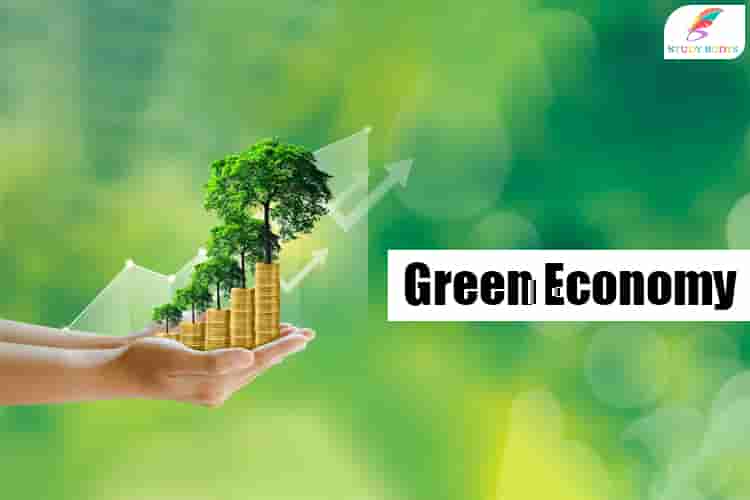
The meaning, importance, and principles of a green economy, and how we can achieve it
A green economy refers to an economic system that emphasizes economic growth, the protection of our environment, and the promotion of social well-being. It strives to achieve economic growth by reducing environmental risks and conserving natural resources, while simultaneously ensuring equal opportunities for all. Through the efficient use of resources and reduction of pollution, a green economy makes sustainable economic growth possible without harming our natural environment. Today, we see several sectors, such as renewable energy, sustainable agriculture, and environmentally friendly industries, making significant contributions to building a greener and more sustainable future.
What is a Green Economy?
A green economy is a low-carbon, resource-efficient, and inclusive economic system. It encourages economic development while reducing the amount of environmental degradation associated with economic growth.
- In simpler terms, a green economy means:
- Reducing carbon emissions and pollution
- Using natural resources responsibly.
Key Components of a Green Economy:
- In a green economy, several interconnected components work together for sustainable development, including:
- Renewable energy sources using alternatives such as solar, wind, hydropower, and biomass.
- Reduced reliance on fossil fuels; reduction of greenhouse gas emissions from the use of fossil fuels.
- Efficient use of resources and efficiency in production and consumption, ensuring maximum resource utilization and minimum waste.
- Sustainable agricultural practices that improve soil quality, conserve water, and protect biodiversity.
- Ensuring long-term food security simultaneously.
- Waste management that encourages the reuse and recycling of materials and resources.
- Supporting and promoting a circular economy and reducing overall pollution levels.
Green Technology and Innovation:
- Supporting energy efficiency- encouraging environmentally friendly industrial processes;
- Sustainable transportation – promoting electric vehicles and public transport; reducing air pollution and fuel consumption.
- Biodiversity conservation – protecting ecosystems and wildlife;
- Maintaining ecological balance;
- Social equity – creating green employment opportunities; providing fair opportunities for sharing economic benefits.
Primary roles include:
- Formulating policies and regulations;
- Enacting environmental protection laws;
- Setting standards for sustainability;
- Creating financial incentives;
- Providing subsidies and tax benefits for companies adopting green practices.
- Developing green infrastructure;
- Creating/supporting policies that support sustainable infrastructure development.
Benefits of a Green Economy:
- A green economy benefits society through environmental protection, sustainable economic development, job creation, economic growth and development, social equity, resource efficiency, health benefits, and global competitiveness.
- A green economy protects the environment by reducing pollution and the international impacts of climate change.
- A green economy supports sustainable development because it meets current needs without compromising the ability of future generations to meet their own needs.
- A green economy encourages innovation and investment in developing new green technologies or businesses.
- A green economy creates new jobs in sectors that produce and utilize renewable energy and are sustainable.
- A green economy is a tool for social equity because it creates a stronger economy, reduces the number of people living below the poverty line, and improves the quality of life for many.
- A green economy uses our limited natural resources more efficiently and effectively, thus reducing our costs and helping to conserve these resources for future use.
- An improved, healthier environment includes improved air and water quality, both of which contribute to improved overall health.
- Global competitiveness is an essential element in the development of green economies in all countries, providing them with a level playing field in the global green economy.
What can we do to encourage the development of a green economy?
Achieving the goals of building a green economy requires everyone to work together. Building a green economy requires transitioning to renewable energy sources, using natural resources in a responsible and sustainable manner, developing new green technologies/innovations, implementing sustainable agricultural practices, providing/implementing a strong environmental regulatory framework, creating jobs and employment opportunities in the green technology sector, and raising awareness about sustainability at the local, national, and global levels.
The World Green Economy Summit (WGES) is held in Dubai, organized by the Supreme Council of Energy, Dubai Electricity and Water Authority (DEWA), and the World Green Economy Organization (WGEO). The main objective of this summit is to build partnerships and encourage a collaborative platform to achieve sustainable development goals. Over the past few years, the main themes of this conference have been green finance/renewable energy, sustainable cities/infrastructure development, climate action and sustainability, and climate change adaptation and mitigation.
Conclusion-
The Green Economy represents a sustainable development approach that strives to create a balance between economic growth, environmental protection and social equality through the reduction of carbon emissions, conservation of resources and green innovation.
The adoption of green economy practices today will provide long-term environmental quality, economic stability and improved quality of life for present and future generations.